What Is Investment Risk?
Investment risk is the possibility that your investment will lose value or deliver returns below your expectations. Every investment — from government bonds to Bitcoin — carries some level of risk.
Understanding risk does not mean avoiding it entirely. It means making informed decisions about how much risk is appropriate for your financial goals, time horizon, and personal circumstances.
Types of Investment Risk
Market Risk
Market risk (also called systematic risk) affects all investments in a particular market. A stock market crash, for example, will typically drag down most share prices regardless of individual company performance. You cannot diversify away market risk entirely.
Inflation Risk
If your investments grow at 3% per year but inflation runs at 4%, your purchasing power is actually declining. Cash savings are particularly vulnerable to inflation risk, especially during periods of high inflation like 2022-2023.
Liquidity Risk
Some investments cannot be sold quickly at a fair price. Property, certain funds, and smaller company shares may be difficult to exit promptly. During market stress, liquidity can dry up even in normally liquid markets.
Credit Risk
When you lend money (through bonds or peer-to-peer lending), there is a risk the borrower may default. Government bonds from stable economies carry low credit risk; corporate bonds from struggling companies carry much higher credit risk.
Currency Risk
If you invest in assets denominated in foreign currencies, exchange rate movements can affect your returns. A US share might rise 10% in dollar terms but deliver less in pounds if sterling strengthens.
The Risk-Return Trade-Off
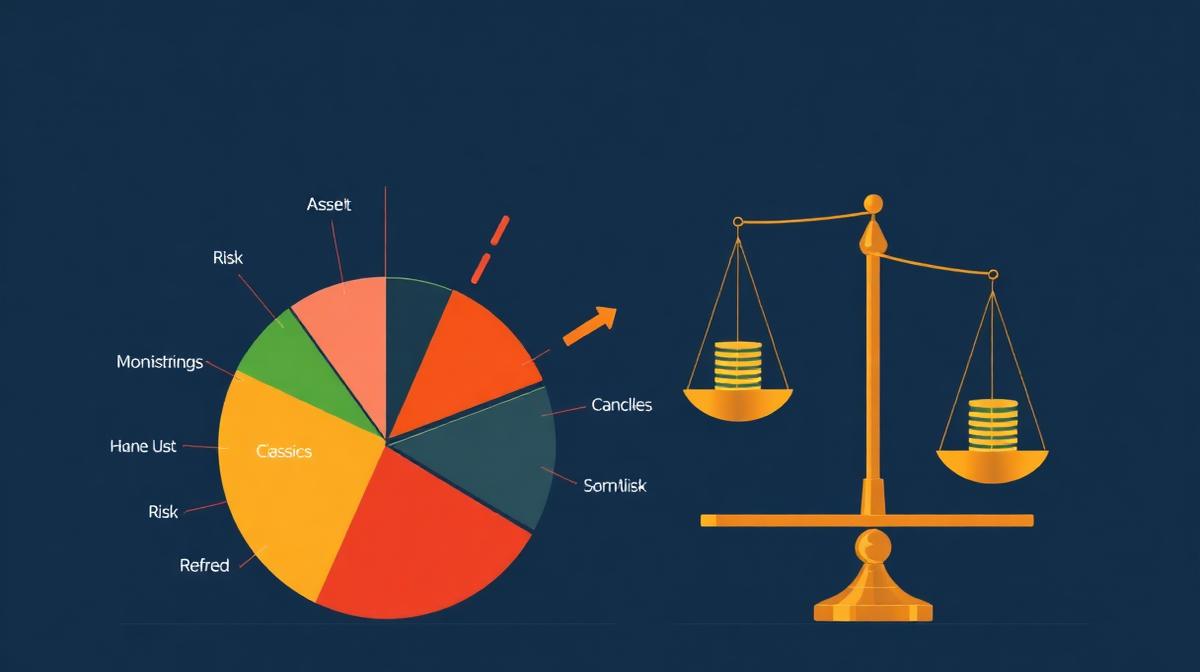
Generally, investments offering higher potential returns carry higher risk. Cash savings in an FSCS-protected account are very low risk but offer modest returns. Equities, property, and cryptocurrency offer higher potential returns but with significantly more volatility.
Your personal risk tolerance — how much loss you can stomach without panic-selling — should guide your asset allocation.
How to Manage Investment Risk
Diversify: Spread your money across different asset classes (shares, bonds, property, cash), sectors, and geographic regions.
Match your time horizon: If you need the money within five years, lower-risk investments are generally more appropriate. Longer time horizons allow you to ride out short-term volatility.
Use tax-efficient wrappers: ISAs and pensions shield your returns from tax, improving your effective return without increasing risk.
Rebalance regularly: Over time, some investments will grow faster than others, shifting your risk profile. Periodic rebalancing restores your intended allocation.
UK Investor Protections
The Financial Services Compensation Scheme (FSCS) protects up to £85,000 per person, per FCA-authorised firm, if the firm fails. This covers bank deposits, investment firms, and insurance policies — but not investment losses due to market movements.
Cryptocurrency holdings are not covered by the FSCS. Peer-to-peer lending platforms may offer partial coverage depending on their FCA authorisation.
Risk Disclosure: Trading and investing carries significant risk. Your investments can fall as well as rise. This is information only, not financial advice. Seek independent advice before investing.
Frequently Asked Questions
What is the safest type of investment?
Cash savings in an FSCS-protected account carry the lowest risk of capital loss. However, they may lose purchasing power to inflation over time. UK government bonds (gilts) are also considered very low risk.
Can I lose all my money investing?
With diversified investments in regulated products, total loss is unlikely but possible in extreme scenarios. Individual shares can go to zero. Leveraged products like CFDs can lose more than your initial deposit without negative balance protection.
What is a good level of risk for a beginner?
Beginners are generally advised to start with diversified, low-cost index funds or balanced funds. These spread risk across many holdings. Avoid leveraged products, cryptocurrency, and individual shares until you have more experience.
Does diversification guarantee safety?
Diversification reduces risk but does not eliminate it. In severe market downturns, most asset classes can fall simultaneously. However, a diversified portfolio typically recovers faster than concentrated positions.
Is property a low-risk investment?
Property is often perceived as safe, but it carries significant risks including illiquidity, maintenance costs, void periods, and price declines. UK house prices fell by approximately 20% during the 2008 financial crisis.
Should I invest if I have debt?
Generally, you should pay off high-interest debt before investing. The interest on credit cards (typically 20%+) almost always exceeds investment returns. Low-interest debt like a mortgage may be manageable alongside investing.