
How Compound Interest Works
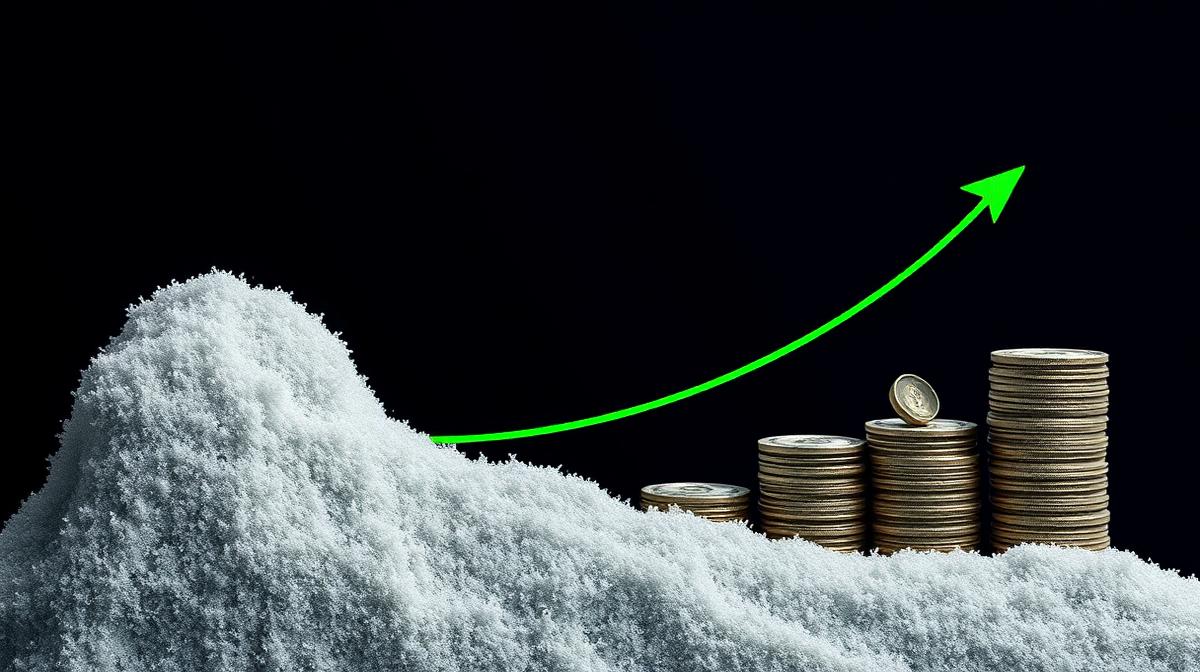
Compound interest is often called the eighth wonder of the world — and for good reason. It is the single most powerful force in personal finance, turning small, consistent savings into substantial wealth over time.
The concept is simple: you earn returns not just on your original investment, but also on all the returns that have already accumulated. Each year, your money grows from a larger base.
A Simple Example
Imagine you invest £10,000 at 7% annual return:
- After 1 year: £10,700 (£700 return)
- After 5 years: £14,026 (£4,026 total return)
- After 10 years: £19,672 (£9,672 total return)
- After 20 years: £38,697 (£28,697 total return)
- After 30 years: £76,123 (£66,123 total return)
Notice how the growth accelerates. In the first decade, you gained £9,672. In the third decade alone, you gained £37,426 — nearly four times as much. This is compounding in action.
The Rule of 72
A handy shortcut to estimate doubling time: divide 72 by your expected annual return.
- At 4% returns: 72 ÷ 4 = 18 years to double
- At 6% returns: 72 ÷ 6 = 12 years to double
- At 8% returns: 72 ÷ 8 = 9 years to double
- At 10% returns: 72 ÷ 10 = 7.2 years to double
Why Starting Early Is So Powerful
Time is the most critical ingredient in the compounding formula. Consider two investors:
Investor A starts at age 25, investing £200 per month at 7% returns, and stops contributing at age 45 (20 years of contributions = £48,000 total invested).
Investor B starts at age 35, investing £200 per month at 7% returns, and continues until age 65 (30 years of contributions = £72,000 total invested).
At age 65: Investor A has approximately £525,000. Investor B has approximately £244,000.
Despite investing £24,000 less, Investor A ends up with more than twice as much — because their money had 10 extra years to compound.
The Enemy of Compounding: Fees
Investment fees work in reverse — they compound against you. Even seemingly small percentage differences add up dramatically:
- £50,000 invested at 7% for 25 years with 0.2% fees = £247,000
- £50,000 invested at 7% for 25 years with 1.5% fees = £181,000
That 1.3% fee difference costs you £66,000. This is why low-cost index funds and platform fees matter enormously for long-term investors.
Dividend Reinvestment: Compounding in Stocks
When you reinvest dividends rather than taking them as cash, you buy more shares, which generate more dividends, which buy more shares. This creates the same compounding effect as interest.
Research by Barclays shows that £100 invested in the UK stock market in 1899 would be worth approximately £190 with capital gains alone, but over £36,000 with dividends reinvested. That is the power of compounding dividends over a century.
How to Maximise Compound Growth
- Start as early as possible — Even small amounts benefit enormously from extra years
- Be consistent — Regular monthly contributions smooth out market volatility
- Reinvest all returns — Choose accumulation funds that automatically reinvest dividends
- Minimise fees — Choose low-cost index funds and competitive platforms
- Use tax wrappers — ISAs and pensions prevent tax from eroding your compound growth
- Stay invested — Selling during downturns crystallises losses and interrupts compounding