The Scale of Investment Fraud in the UK
Investment scams are one of the fastest-growing forms of fraud in the United Kingdom. Action Fraud data shows that victims reported losses exceeding £1.2 billion in 2023, with the average victim losing over £14,000.
Scammers have become increasingly sophisticated, using professional-looking websites, fake celebrity endorsements, and even cloning legitimate FCA-regulated firms. Anyone can be targeted, regardless of age, education, or experience.
Red Flags: How to Spot a Scam
1. Guaranteed or Unrealistic Returns
No legitimate investment can guarantee returns. If a platform promises fixed daily profits, "risk-free" returns, or consistently high yields, it is almost certainly fraudulent. Even the best fund managers have losing periods.
2. Pressure to Act Immediately
Scammers create artificial urgency — "limited spaces", "offer expires today", "prices rising fast". Legitimate investments allow you time to research and seek independent advice.
3. Unsolicited Contact
Cold calls, unexpected emails, or social media messages promoting investments are major warning signs. The FCA banned cold-calling for most investment products. If you did not initiate contact, be extremely cautious.
4. Unverifiable Company Details
Check the company on the FCA register, Companies House, and the FCA warning list. If you cannot verify the company''s registration, registered address, and regulatory status, do not invest.
5. Celebrity Endorsements
Many scam platforms use fake endorsements from well-known figures like Martin Lewis, Elon Musk, or Richard Branson. These individuals have repeatedly confirmed they do not endorse such platforms.
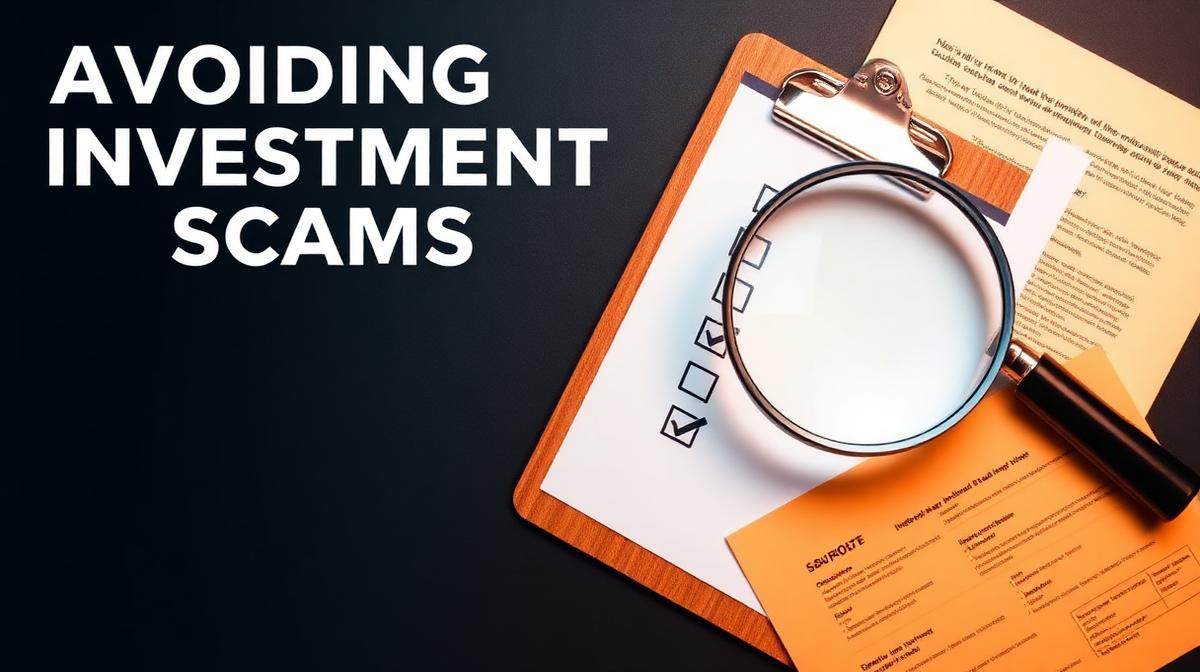
Your Verification Checklist
Before investing any money, complete these steps:
✓ Search the firm on the FCA register at register.fca.org.uk
✓ Check the FCA warning list at fca.org.uk/consumers/warning-list
✓ Verify the company on Companies House at find-and-update.company-information.service.gov.uk
✓ Read independent reviews — not testimonials on the platform''s own website
✓ Confirm the contact details on the FCA register match the firm''s website exactly
✓ Seek independent financial advice before committing significant sums
What to Do If You Suspect a Scam
1. Stop all communication with the suspected scammer immediately.
2. Contact your bank — they may be able to freeze or reverse transactions.
3. Report to Action Fraud at actionfraud.police.uk or call 0300 123 2040.
4. Notify the FCA at fca.org.uk/consumers/report-scam-unauthorised-firm.
5. Beware recovery scams — fraudsters often contact victims again, posing as recovery agents who can retrieve lost funds for a fee. This is a second scam.
Risk Disclosure: Trading and investing carries significant risk. Your investments can fall as well as rise. This is information only, not financial advice. Seek independent advice before investing.
Frequently Asked Questions
Who is most at risk of investment scams?
Anyone can fall victim, but Action Fraud data shows people aged 40-60 report the highest average losses. Scammers increasingly target people through social media and search engine advertisements, reaching all demographics.
Can I get my money back from a scam?
Recovery is difficult but not impossible. If you paid by debit card or bank transfer, your bank may be able to pursue a chargeback or recover funds under the Contingent Reimbursement Model. Contact your bank immediately.
Are cryptocurrency investments always scams?
No. Cryptocurrency itself is a legitimate (if volatile) asset class. However, the crypto space attracts a disproportionate number of scam platforms due to its complexity and lack of FCA investment regulation.
How do I report a scam?
Report to Action Fraud (actionfraud.police.uk), the FCA (fca.org.uk/consumers/report-scam-unauthorised-firm), and your bank. You can also report misleading advertisements to the Advertising Standards Authority (ASA).
What is a clone firm?
A clone firm uses the name, address, or FCA reference number of a genuine authorised firm to appear legitimate. Always verify contact details on the FCA register match exactly — a different phone number or website is a red flag.
Should I trust online reviews of trading platforms?
Be cautious. Many scam platforms publish fake five-star reviews. Look for reviews from established, independent financial media rather than testimonials on the platform''s own site or anonymous review platforms.