TradeRadar logo
    Home/Learn/trading/What Is a Bull Market? Understanding Market Cycles
    Beginner
    7 min read

    What Is a Bull Market? Understanding Market Cycles

    Understand bull and bear markets, how market cycles work, and how to invest wisely during each phase. Includes historical examples from UK and global markets.

    James Whitfield

    Personal Finance Editor

    What Is a Bull Market? Understanding Market Cycles

    Understanding Market Cycles

    Financial markets move in cycles of optimism and pessimism, expansion and contraction. Understanding these cycles helps you make better investment decisions and, crucially, avoid costly emotional mistakes.

    What Is a Bull Market?

    A bull market is a sustained period of rising asset prices, generally defined as a 20% or greater increase from a recent low. Bull markets are characterised by:

    • Growing economic confidence and GDP expansion
    • Rising corporate earnings
    • Low unemployment
    • Increasing investor optimism (sometimes tipping into euphoria)
    • Higher trading volumes as more investors enter the market

    What Is a Bear Market?

    A bear market is a sustained decline of 20% or more from a recent peak. Bear markets bring:

    • Widespread pessimism and fear
    • Economic slowdown or recession
    • Falling corporate earnings
    • Rising unemployment
    • Panic selling and capitulation
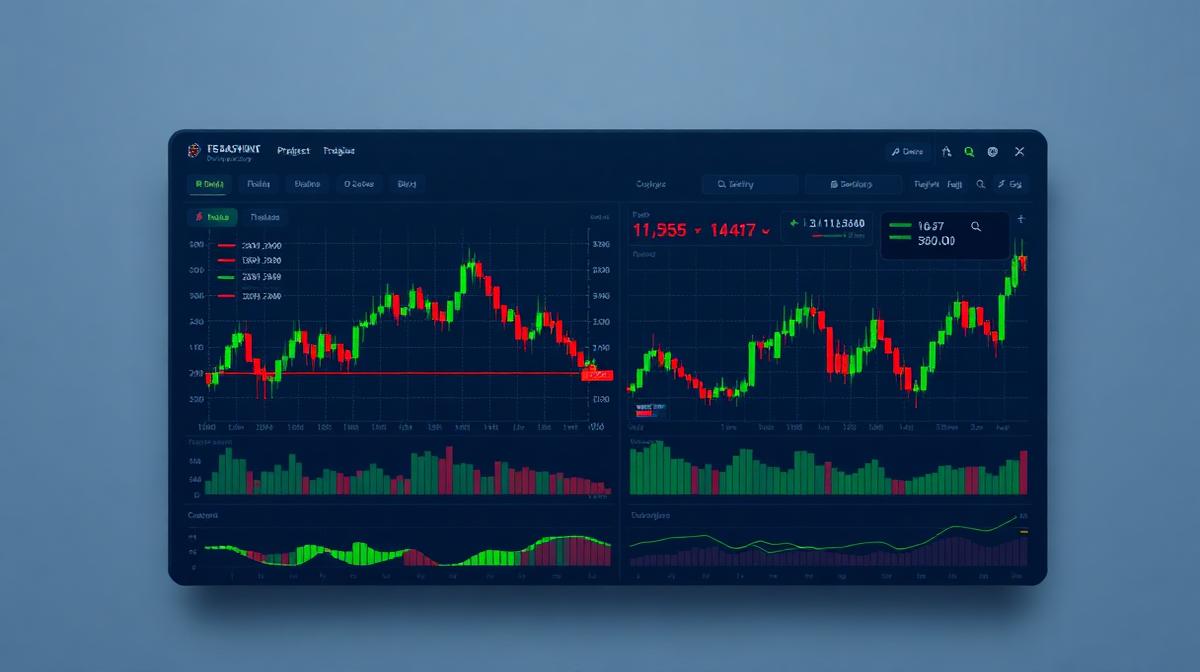
    Professional trading platform dashboard with candlestick charts and market data
    A typical trading platform interface showing real-time market data and charting tools.

    Historical UK Market Cycles

    The FTSE 100 has experienced several significant cycles:

    • 2000–2003 (Bear): Dot-com crash — FTSE 100 fell from 6,930 to 3,287 (-52%)
    • 2003–2007 (Bull): Recovery driven by credit expansion — FTSE 100 rose to 6,732
    • 2007–2009 (Bear): Global financial crisis — FTSE 100 fell to 3,512 (-48%)
    • 2009–2020 (Bull): Longest bull market in modern history — FTSE 100 reached 7,674
    • 2020 (Bear): COVID-19 crash — FTSE 100 fell 34% in just 23 trading days
    • 2020–present (Bull): Recovery driven by stimulus and economic reopening

    The critical lesson: every bear market has been followed by a recovery. Investors who panicked and sold at the bottom missed the subsequent gains.

    How to Invest Through Market Cycles

    In Bull Markets

    • Continue your regular investment plan — do not try to time the top
    • Rebalance periodically to prevent overexposure to overheated sectors
    • Maintain your target asset allocation
    • Be cautious of euphoria — when everyone is talking about investing, risk is elevated

    In Bear Markets

    • Keep contributing — you are buying at lower prices
    • Do not panic sell — this is the single most costly mistake
    • Review your risk tolerance — if you cannot sleep at night, your allocation may be too aggressive
    • Look for opportunities — quality assets at discounted prices

    The Danger of Market Timing

    Research consistently shows that missing just a handful of the best trading days dramatically reduces returns. A study by JP Morgan found that missing the 10 best days in the S&P 500 over a 20-year period reduced returns by more than half. The best days often occur during or immediately after the worst periods — precisely when scared investors are most likely to be out of the market.

    Finance Podcasts

    📺 Related Videos

    Forex Trading For Beginners - Full Course

    Forex Trading For Beginners - Full Course

    📺 The Trading Channel

    How To Read Candlestick Charts

    How To Read Candlestick Charts

    📺 The Trading Channel

    Frequently Asked Questions

    Written by

    James Whitfield

    Personal Finance Editor
    Our editorial team covers markets, fintech, and regulatory developments across the UK and globally.

    Back to trading

    Key Takeaways

    • 1A bull market is a sustained period of rising prices, typically defined as a 20%+ gain from recent lows
    • 2Bear markets (20%+ decline) are painful but historically temporary — the average lasts 9-16 months
    • 3Trying to time market cycles is notoriously difficult — even professional fund managers rarely succeed
    • 4The best strategy for most investors is to stay invested through cycles and continue regular contributions
    • 5Every bear market in history has eventually been followed by a recovery to new highs

    Risk Warning: Trading and investing carries significant risk. Your investments can fall as well as rise. CFDs carry high risk of rapid loss due to leverage. Cryptocurrency is not FCA-regulated and not covered by FSCS. This is information only, not financial advice. Seek independent advice before investing.

    We use cookies to improve your experience.