What Is a CFD?
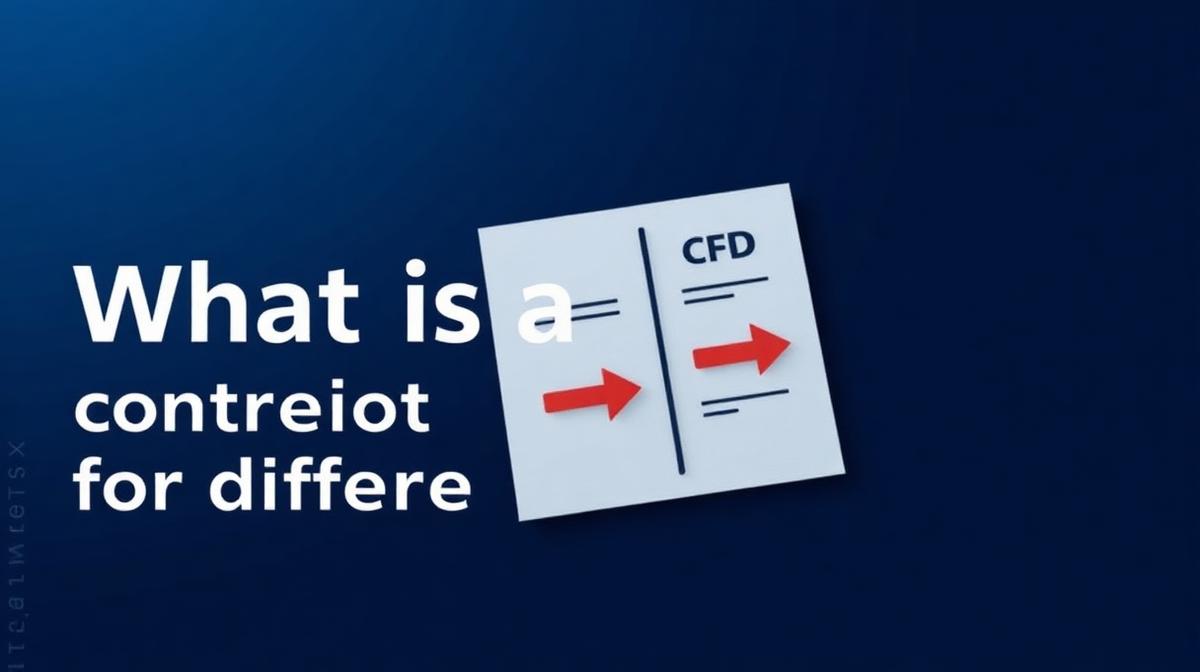
A Contract for Difference (CFD) is an agreement between you and a broker to exchange the difference in the price of an asset between when you open and close the trade. You never own the actual asset — you are simply speculating on whether its price will rise or fall.
CFDs are available on thousands of markets including shares, indices, forex, commodities, and cryptocurrencies. They allow you to "go long" (profit if the price rises) or "go short" (profit if the price falls).
How Do CFDs Work?
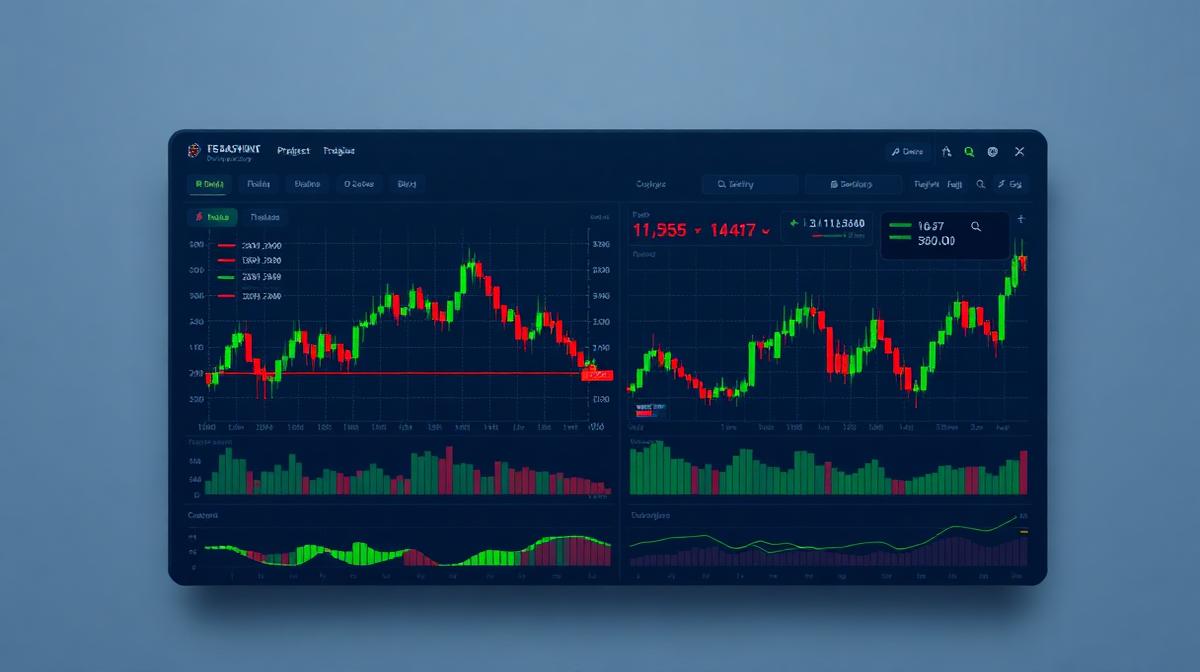
Suppose you believe the FTSE 100 index will rise. You open a CFD to buy the FTSE 100 at 7,500. If the index rises to 7,600, you profit from the 100-point difference. If it falls to 7,400, you lose the equivalent of 100 points.
The critical difference from traditional investing is leverage. Instead of paying the full value of the position, you put up a small percentage as margin. A 5% margin means a £1,000 deposit controls a £20,000 position.
The Role of Leverage
Leverage amplifies both gains and losses proportionally. With 10:1 leverage, a 5% market move results in a 50% change in your account — either positive or negative.
The FCA has set maximum leverage limits for retail clients: 30:1 for major forex pairs, 20:1 for minor forex and major indices, 10:1 for commodities, 5:1 for individual shares, and 2:1 for cryptocurrency.
Professional clients can access higher leverage but forfeit retail protections including FSCS coverage and negative balance protection.
Costs of CFD Trading
Spreads: The difference between buy and sell prices. This is the primary cost of most CFD trades.
Overnight financing: If you hold a CFD position overnight, you will typically pay a daily financing charge based on the full position value. This can erode profits significantly on longer-term trades.
Commission: Some brokers charge a commission on share CFDs in addition to the spread.
Who Should Trade CFDs?
CFDs are complex instruments designed for experienced traders who understand leverage and can actively manage risk. They are not suitable for beginners, long-term investors, or anyone who cannot afford to lose their deposit.
Risk Disclosure: Trading and investing carries significant risk. CFDs carry high risk of rapid loss due to leverage. Between 69% and 82% of retail investor accounts lose money when trading CFDs. This is information only, not financial advice.
Frequently Asked Questions
Can I lose more than my deposit with CFDs?
With an FCA-regulated broker, retail clients benefit from negative balance protection — you cannot lose more than your deposited funds. However, you can still lose your entire deposit very quickly.
Are CFDs legal in the UK?
Yes, CFD trading is legal and regulated by the FCA in the UK. However, the FCA has banned the sale of crypto-CFDs to retail consumers since January 2021.
Do I own the asset when I trade a CFD?
No. A CFD is a derivative contract. You do not own the underlying shares, commodity, or currency. You cannot vote on company matters or receive physical delivery of commodities.
Are CFDs taxed in the UK?
CFD profits are subject to Capital Gains Tax. However, CFDs are exempt from Stamp Duty since you do not own the underlying asset. Losses can be offset against gains for tax purposes. Consult a tax adviser for your specific situation.
What is a margin call?
A margin call occurs when your account equity falls below the required margin level. Your broker may ask you to deposit more funds or automatically close your positions to limit further losses.
How are CFDs different from spread betting?
Both are leveraged derivatives, but spread betting profits are currently tax-free in the UK (no CGT or Stamp Duty). CFD profits are subject to CGT but losses can be used to offset other capital gains.