Uzbekistan, a key Central Asian republic, has witnessed a remarkable shift in its economic partnerships. China has now officially overtaken Russia to become Uzbekistan's primary trading and investment partner. This development underscores Beijing's growing economic clout and its strategic focus on strengthening ties within the region.
Further cementing its position, China is actively pursuing advanced financial integration with Kazakhstan. Both nations are collaborating on developing integrated payment systems and pioneering digital-currency settlements. This initiative is a clear indicator of China's ambition to foster closer economic ties and enhance transactional efficiency across its Belt and Road Initiative (BRI) network.
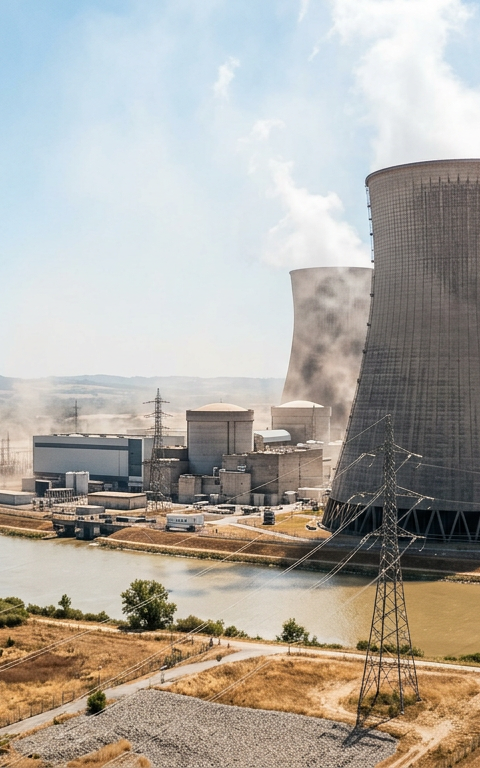
Energy security is another critical aspect of China's Central Asian strategy. Tajikistan, for example, is actively exploring options for Chinese fuel supplies. This move highlights Beijing's concerted efforts to expand its regional energy footprint, securing vital resources and diversifying supply chains.
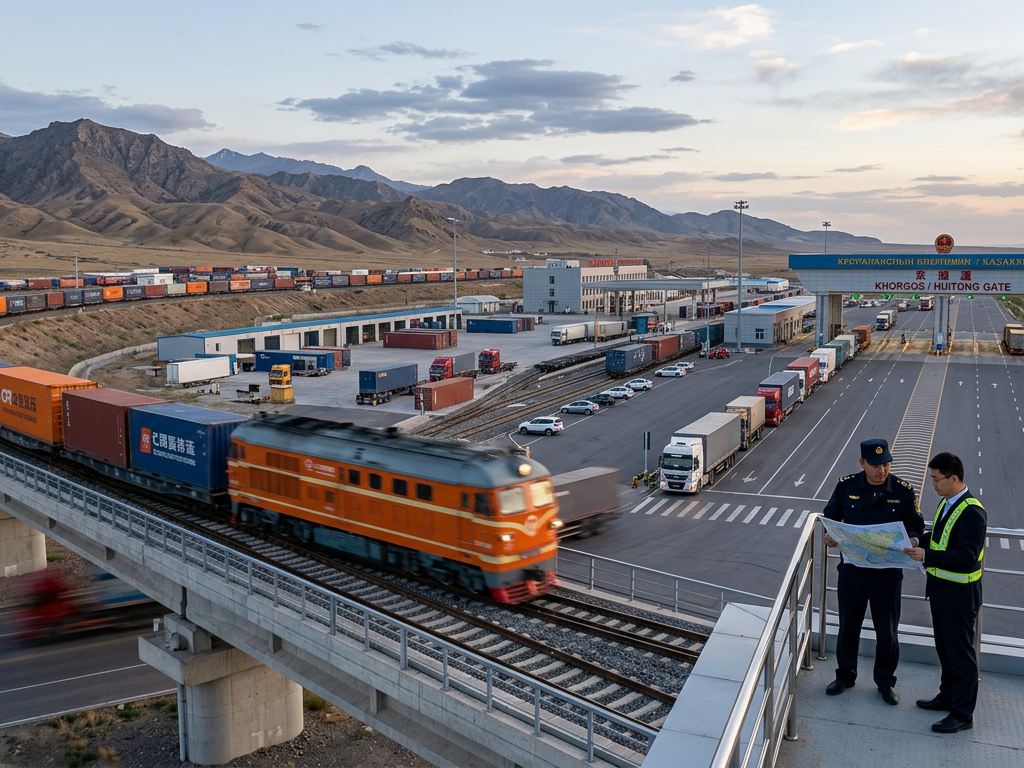
The increasing Chinese presence is not merely about trade; it encompasses vast infrastructure projects, technological cooperation, and significant investments across various sectors. These initiatives are designed to create a robust economic corridor linking China with Europe and beyond, bypassing traditional maritime routes.
The long-term implications of this accelerated economic push are substantial. Central Asian nations stand to benefit from increased investment and improved infrastructure, potentially leading to greater economic prosperity. However, questions remain regarding the geopolitical shifts and the evolving regional power dynamics as China continues to assert its economic dominance.
China's strategy in Central Asia is a multifaceted approach, blending economic incentives with strategic infrastructure development. The goal is to create a more interconnected and interdependent regional economy, with Beijing at its centre. This 'New Silk Road' is set to redefine the economic landscape of Central Asia for decades to come, bringing both opportunities and challenges for the nations involved.