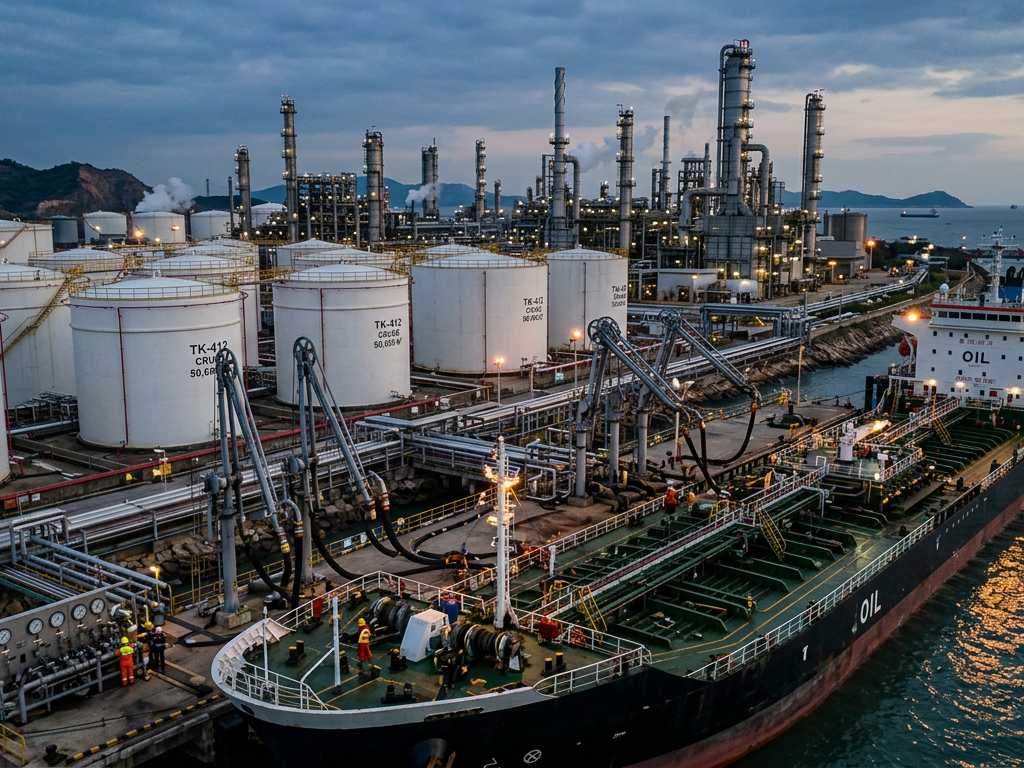
Throughout the ongoing Middle East conflict, now in its sixth month, these independent refiners have largely relied on existing reserves. They also significantly curtailed new purchases and imports, navigating a period of escalating international crude oil prices. This strategic depletion of their oil inventories allowed them to maintain operations without incurring high spot market costs.
However, the sustained draw-down means their storage facilities are now critically low, necessitating a return to the market. Iranian crude, often available at a discount due to sanctions, presents an attractive option for these price-sensitive operators. The availability of this discounted oil is particularly appealing as global energy markets remain volatile.
This shift by China's teapot refiners could have notable implications for global oil dynamics and sanctions enforcement. A significant uptick in Iranian oil imports by the world's largest energy consumer would provide a substantial boost to Iran's oil revenue, despite Western sanctions aiming to limit its crude exports.
Market watchers in the UK will be observing closely how this renewed buying spree impacts international crude oil prices and geopolitical energy strategies. The move highlights the complex interplay between energy security, economic necessity, and geopolitical pressures faced by major global economies like China. It underscores the ongoing challenges in enforcing oil sanctions when strong economic incentives for alternative supplies exist.
The decision by these refiners to ramp up imports from Iran reflects a pragmatic response to domestic supply shortages and the pursuit of cost-effective crude sources. This development will undoubtedly be a key talking point in energy sector analyses throughout the coming months, influencing investment decisions and trade policies.