
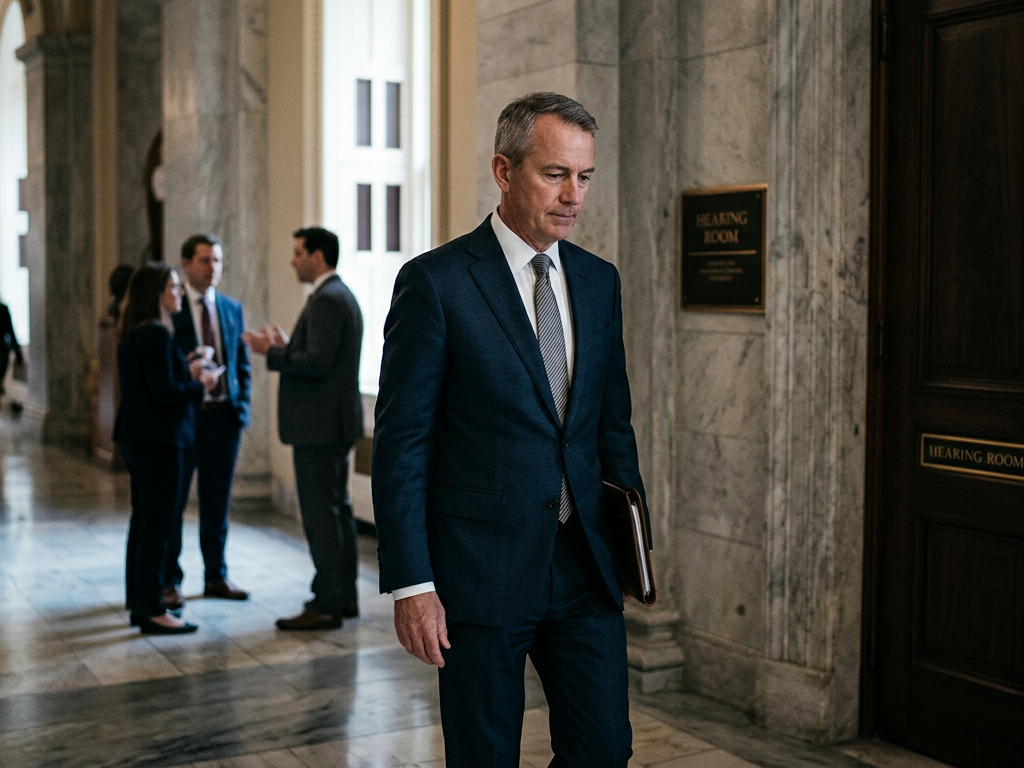
Thanedar, a vocal advocate for digital assets and a co-sponsor of the industry's proposed Digital Asset Market Clarity Act, lost his bid to Donovan McKinney. McKinney, a democratic socialist, holds an unknown stance on crypto issues, but garnered endorsements from prominent progressive figures like Senator Bernie Sanders. This loss is particularly notable as it removes a known ally for the crypto sector in the House of Representatives, especially given the ongoing push for the Clarity Act.
Despite this specific setback, Fairshake's broader strategy of cultivating a pro-crypto roster in Congress appears to be largely effective. On the same primary night in Michigan and Washington, the PAC's financial backing proved successful for several other candidates. These included Republican Bill Huizenga in Michigan, another co-sponsor of the Clarity Act, and Democrats Suzan Delbene, Kim Schrier, and Marilyn Strickland in Washington. Furthermore, the industry supported Amanda McKinney, a pro-crypto Republican endorsed by Donald Trump, in a Washington GOP race, indicating a bipartisan approach to building congressional support.
Fairshake has been diligently expanding its network of crypto-friendly politicians, having already secured primary victories for numerous new names in recent months. These candidates, favoured by the PAC, are widely expected to succeed in the upcoming November general elections. This strategic investment aims to ensure a robust parliamentary presence sympathetic to the digital asset industry's legislative goals.
While the Detroit primary represented a significant financial commitment for Fairshake, it's not their only recent challenge. The PAC also faced a substantial defeat in Illinois, where it reportedly spent over $10 million in an unsuccessful attempt to prevent Lt. Gov. Juliana Stratton from winning her Senate primary. The composition of the Senate in the next term is considered crucial, particularly as the industry pushes for a last-minute vote on the Clarity Act.
This mixed bag of results highlights the fluctuating landscape of political influence for the crypto industry. While Fairshake demonstrates considerable financial power and a high success rate in most primaries, the losses in Detroit and Illinois indicate that even substantial campaign spending doesn't guarantee victory, especially against well-organised progressive challenges. Nevertheless, the overarching trend suggests a continued expansion of crypto-aligned politicians within the US Congress, which could be pivotal for future digital asset legislation.