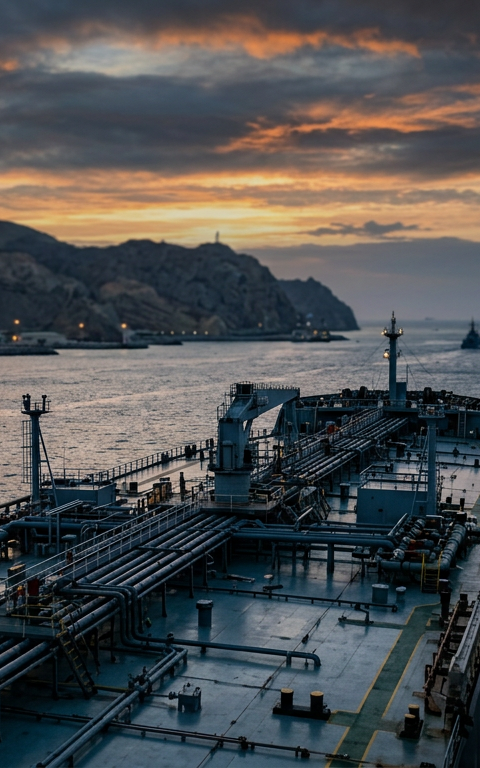
Driving this expansion is a growing recognition of the critical role advanced energy storage plays in stabilising grids, integrating renewable energy sources, and mitigating supply chain vulnerabilities. The EU's proactive stance is particularly pertinent given recent geopolitical developments impacting energy supplies. For instance, European gas reserves have reportedly fallen below 50% capacity, a concerning development compounded by disruptions such as the closure of the Strait of Hormuz, which is impacting crucial imports ahead of the winter months.
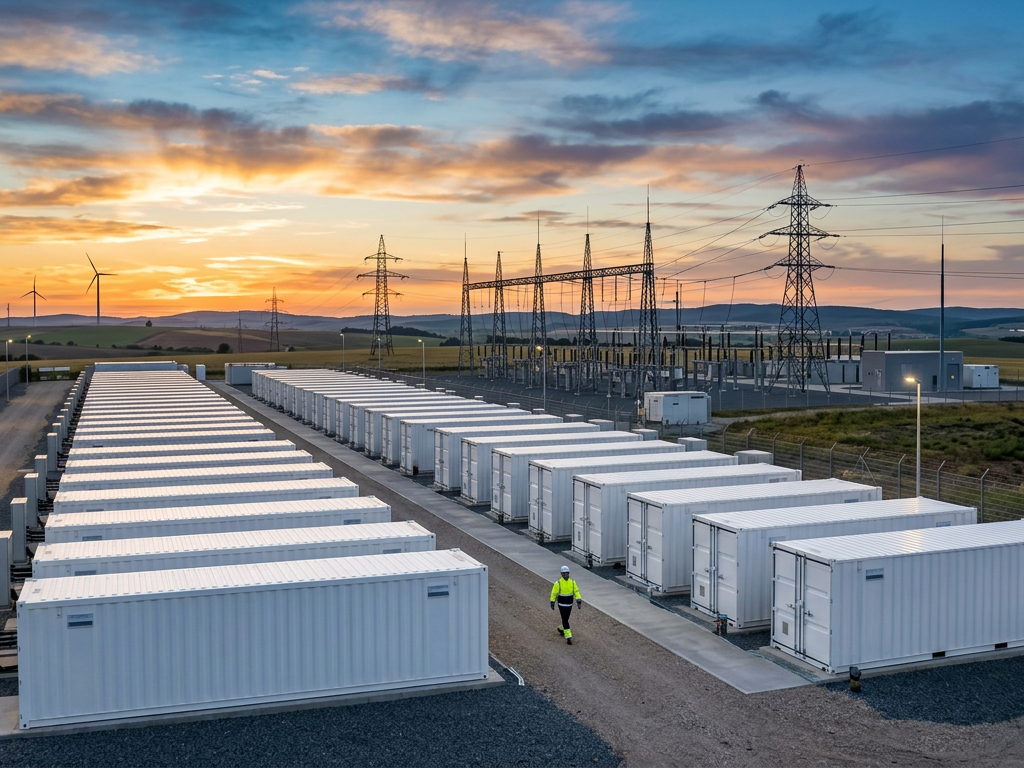
Innovation in battery technology is a key enabler of this ambitious goal. A notable development in this space is the recent agreement brokered by Netherlands-based Ore Energy. This pioneering firm has secured Europe's inaugural deal for iron-air battery technology. This particular innovation promises a significant leap forward in energy storage, capable of retaining power for up to four days. This contrasts sharply with the typical four-hour duration offered by conventional lithium-ion batteries, presenting a paradigm shift in long-duration energy storage solutions.
The adoption of such advanced battery technologies is pivotal for the EU as it seeks to reduce its reliance on volatile fossil fuel markets and enhance grid stability. Longer-duration storage allows for greater flexibility in managing intermittent renewable energy sources like wind and solar, ensuring a consistent and reliable power supply even when generation is low.
This strategic investment in energy storage infrastructure is expected to create new opportunities for technological innovation, economic growth, and job creation across the European bloc. Furthermore, it reinforces the EU's leadership in the global transition towards a greener and more energy-independent future, positioning the region at the forefront of sustainable energy solutions and technological advancement.