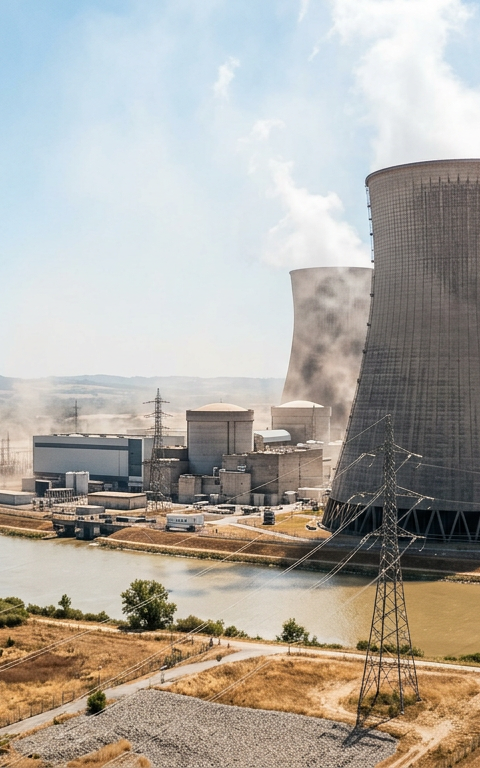
The widespread drought has caused water levels in major European rivers, such as the Danube and the Rhine, to plummet significantly. This has dire consequences for power generation, as these rivers provide vital cooling water for numerous nuclear power plants. Reduced water availability means these plants cannot operate at full capacity, directly impacting the overall electricity supply.
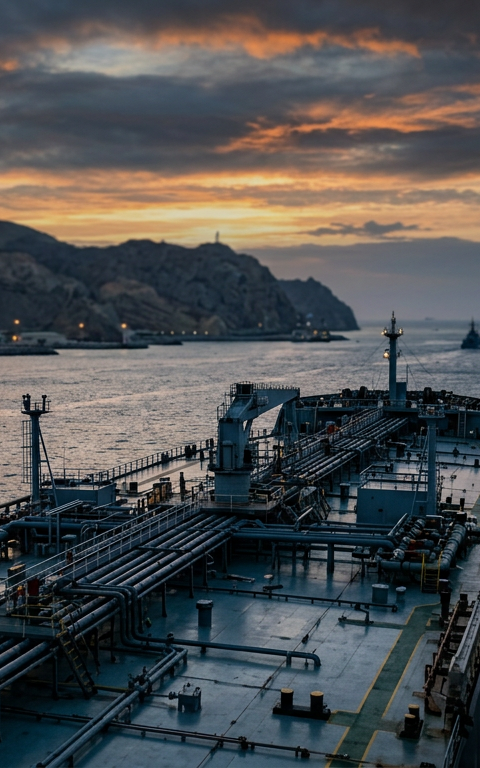
Beyond power generation, the diminished river levels are also severely impeding inland fuel transportation. Barges, which are a critical component of Europe's logistics network for moving crude oil and refined products, are struggling to navigate the shallow waterways. This disruption is causing substantial delays and, crucially, escalating the logistics costs associated with delivering essential fuels throughout the continent.
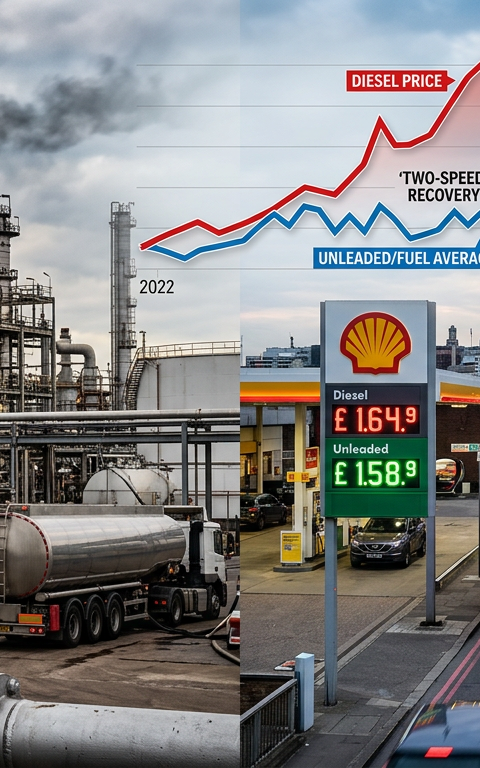
These climate-related disruptions are not occurring in isolation. They are compounding existing anxieties and supply concerns stemming from the Middle East, a region traditionally central to global energy markets. The combination of domestic weather challenges and international geopolitical factors is creating a perfect storm, tightening Europe's refined fuel market considerably. This market constriction, in turn, is exerting further upward pressure on the already elevated prices of diesel, a fuel critical for numerous industries and transportation sectors.
The long-term implications of such recurring extreme weather events on Europe's energy security are a growing concern. The vulnerability of existing infrastructure to climate change is becoming increasingly apparent, highlighting the urgent need for investment in more resilient energy systems and diversified supply chains. As the continent continues to experience these environmental pressures, the economic repercussions, particularly for consumers and businesses reliant on stable fuel prices, are expected to be substantial. Addressing these challenges will require a multi-faceted approach, encompassing both climate adaptation strategies and proactive energy policy adjustments.