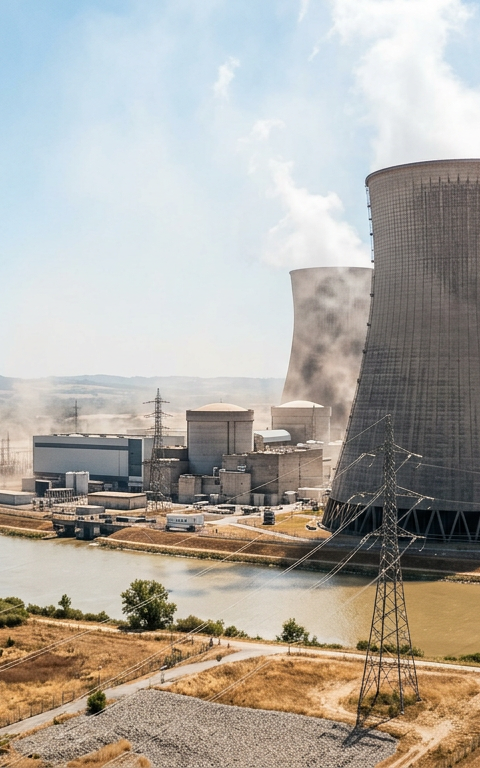
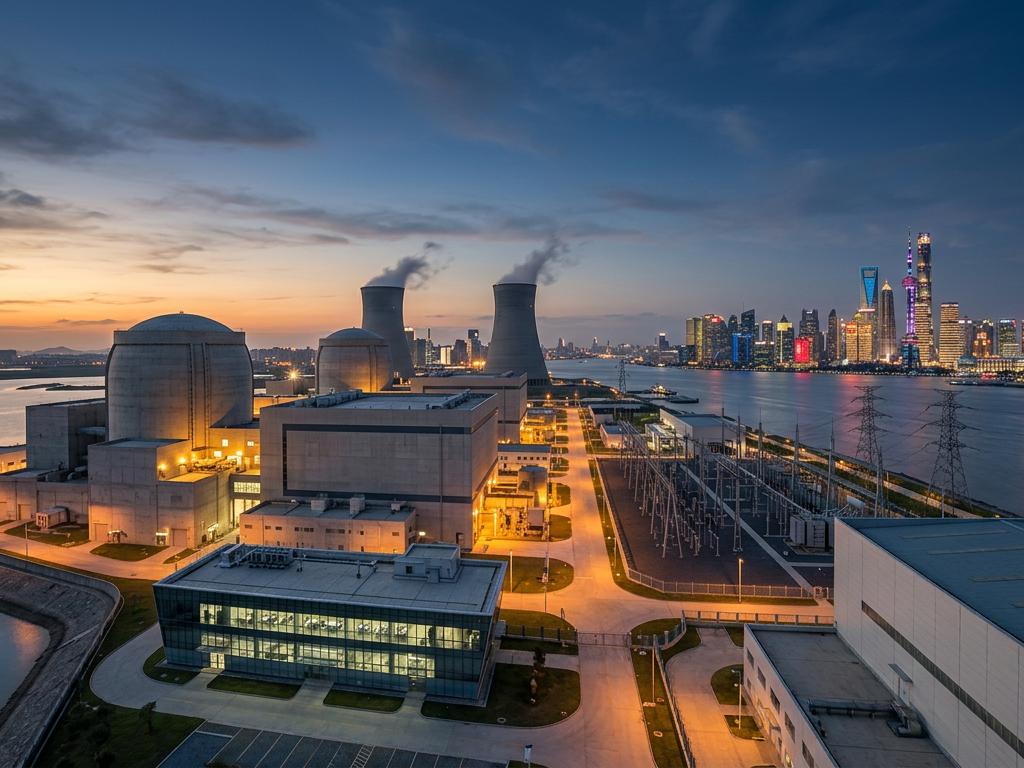
Driving much of this growth is China, which is expected to overtake the United States as the world's leading holder of nuclear power capacity. China's current nuclear capacity stands at 59 GW, but this is set to nearly double to an impressive 102 GW. This formidable expansion underscores China's commitment to energy security and meeting its growing energy demands through cleaner sources.
The United States, currently a dominant player in nuclear energy, will see its position challenged. While the U.S. continues to operate a substantial fleet of nuclear reactors, the pace of new development in China is set to shift the global balance of power in this critical energy sector. The report highlights a clear trend of emerging economies boosting their nuclear energy infrastructure.
India is another nation poised for substantial growth in nuclear power. The country is actively pursuing an increase in its nuclear capacity as a strategic move to enhance its energy security. This move aligns with India's broader objectives of diversifying its energy mix and reducing reliance on fossil fuels, thereby contributing to lower carbon emissions.
The findings from BloombergNEF provide a comprehensive outlook on the future of nuclear energy. The report details the planned and ongoing nuclear power plant constructions globally, offering insights into the investment and technological advancements propelling this sector forward. This expansion is crucial for global decarbonisation efforts.
Investing in nuclear power offers several advantages, including a reliable baseload power supply and minimal greenhouse gas emissions during operation. These benefits are increasingly attractive to nations seeking to meet climate targets while ensuring consistent energy availability for their populations and industries. The projected surge in capacity indicates a renewed global confidence in nuclear energy as a vital component of future energy strategies.
The global energy mix is undergoing a profound transformation. While renewable energy sources like solar and wind are expanding rapidly, nuclear power is re-emerging as a key player in the transition away from fossil fuels. The planned 44% increase in capacity by 2036 signifies a major commitment by numerous countries to leverage nuclear technology for long-term energy stability and environmental sustainability.