Historically, the Middle East has been a cornerstone of global LPG supply. However, the current instability in the Strait of Hormuz, a vital maritime chokepoint, has severely impacted the region's capacity to export LPG. This disruption has created a vacuum in the market, prompting importing nations to seek alternative sources.
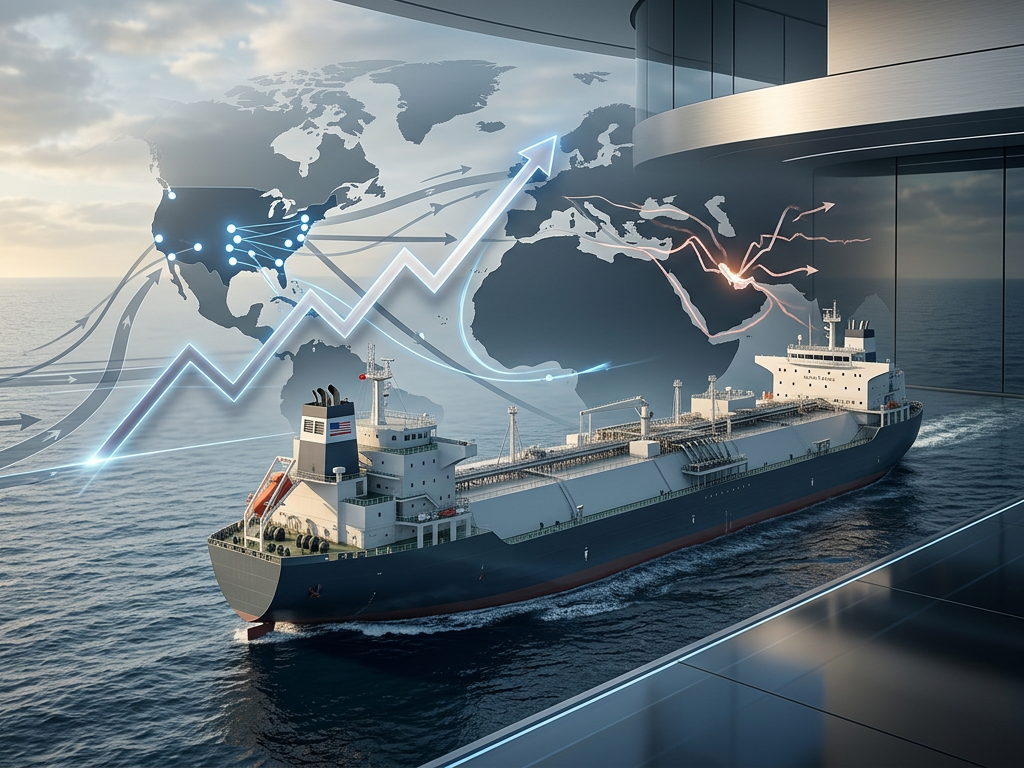
The United States has rapidly emerged as the dominant force in this evolving landscape. Now recognised as the world's largest LPG exporter, the U.S. is increasingly stepping in to fill the void left by reduced Middle Eastern supplies. This shift underscores the growing strategic importance of American energy exports on the global stage.
Major importing nations, such as India, are a prime example of this reorientation. Faced with geopolitical uncertainties and compromised traditional supply routes, India is increasingly turning to American propane to meet its domestic energy demands. This trend highlights a broader realignment of global energy trade flows, with Asian markets becoming more reliant on Western Hemisphere suppliers.
Private commodity trading firms with agile shipping capabilities are proving instrumental in navigating these turbulent waters. Companies like BGN Group, possessing flexible fleets and extensive logistical networks, are demonstrating their critical role in maintaining supply chain resilience. They are effectively rerouting LPG shipments, ensuring that vital energy resources continue to reach their destinations despite the complex geopolitical challenges.
This dynamic situation is not merely a short-term blip but signals a potential long-term transformation of the global LPG market. The crisis in Hormuz is accelerating a fundamental shift, solidifying the U.S.'s position as a pivotal global energy supplier and demonstrating the resilience and adaptability of private trading houses in mitigating international supply shocks.