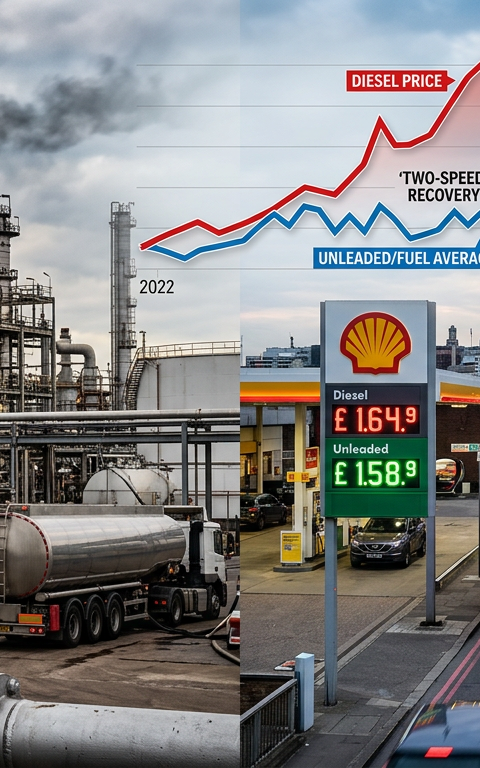

Since January, the repercussions of this conflict have been starkly evident in the global energy market. LNG prices have alarmingly doubled, creating substantial pressure on economies worldwide dependent on this fuel source. This dramatic price surge is a direct consequence of reduced supply and heightened market uncertainty.
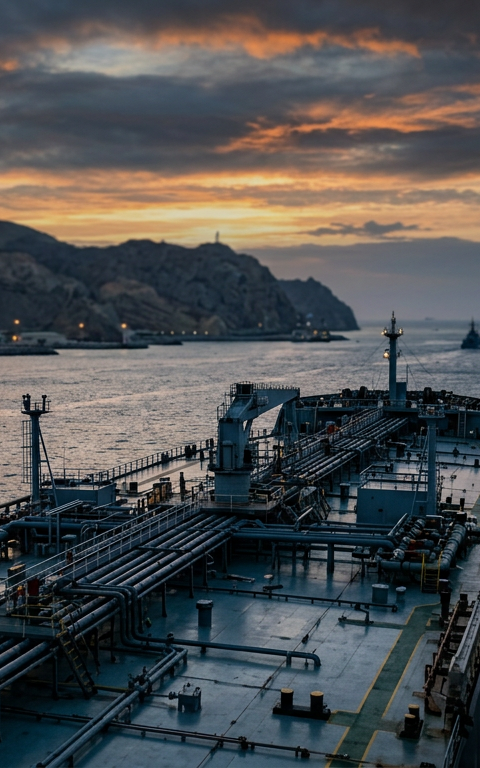
A key factor contributing to this constrained supply is the continuing crisis in the Strait of Hormuz, a vital maritime choke point. Qatar, a major global LNG exporter, has seen its export capabilities severely hampered by the ongoing tensions in this strategic waterway.
The elevated LNG prices are now triggering a phenomenon known as 'demand destruction'. This occurs when the cost of a commodity becomes so prohibitive that consumers or industries seek alternative, cheaper options or reduce their consumption altogether. In the context of energy, this often means a return to more carbon-intensive fuels.
Indeed, several nations, including significant energy consumers such as Japan and Pakistan, are reportedly increasing their reliance on coal to meet their energy demands. This shift away from LNG towards coal has serious implications for global efforts to combat climate change, potentially undermining commitments to reduce greenhouse gas emissions.
The volatile situation in the Middle East, therefore, not only poses an immediate economic challenge through inflated energy costs but also presents a considerable setback to the global transition towards cleaner energy sources. The long-term impact on the LNG industry's growth trajectory remains uncertain as the conflict persists.