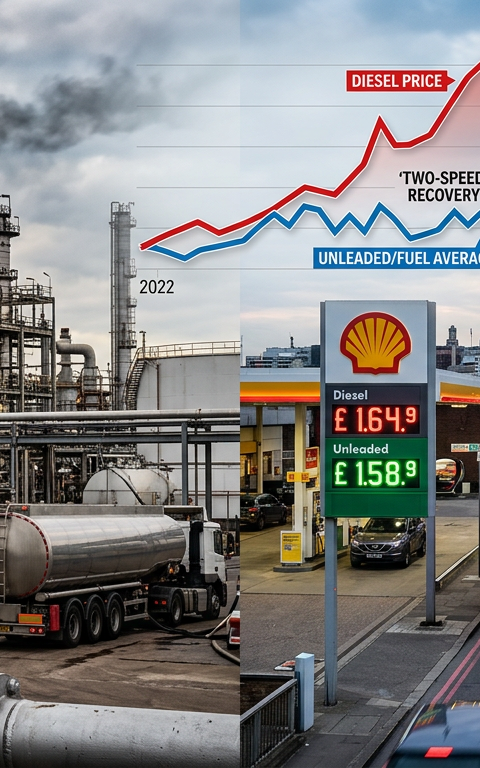

The International Energy Agency (IEA) has highlighted the persistent tightness in physical oil markets. Global production levels are estimated to remain a substantial 9.4 million barrels per day (bpd) below pre-conflict benchmarks. Furthermore, the region is grappling with a significant loss of refining capacity, with nearly 3 million bpd currently offline.
Analysts are increasingly vocal about the potential for markets to be underestimating the inherent risks. There is a growing concern that this current bearish stance could be misjudging the strong possibility of a sudden and sharp increase in oil prices in the near future. The prevailing belief among traders appears to be that diplomatic resolutions will mitigate the impact of current geopolitical tensions.
The disconnect between the tangible supply-side constraints and the market's current price expectations is a key point of discussion among industry experts. While the immediate focus remains on potential diplomatic breakthroughs, the underlying fundamentals of reduced supply and constrained refining capacity paint a stark picture for future oil price movements.
This situation presents a complex challenge for UK businesses reliant on stable energy costs. The interplay between geopolitical events, global oil production, and refining capacity creates a volatile environment that demands careful monitoring. The current market sentiment, although bearish, may not fully reflect the acute pressures building within the physical oil market.
Investors and businesses in the UK should consider the long-term implications of these dynamics. A sudden price spike, as warned by analysts, could have significant repercussions across various sectors, from transportation to manufacturing. The current 'wait-and-see' approach by many traders could prove to be a high-risk strategy if diplomatic efforts falter or fail to deliver swift resolutions.
In conclusion, while the immediate market mood among UK oil traders leans towards bearishness, the underlying data from the IEA and warnings from analysts suggest a potential for considerable market volatility. The persistent supply deficit and reduced refining capacity in the Middle East present a tangible risk that could lead to a significant upward correction in crude oil prices, challenging the current optimistic outlook for a diplomatic resolution.