
To mitigate these issues and encourage sustainable energy consumption, the government is actively promoting schemes that incentivise households and businesses to utilise electricity during periods of high renewable generation. These initiatives often include discounted or even free power tariffs, aiming to shift demand patterns and make better use of the abundant green energy available.
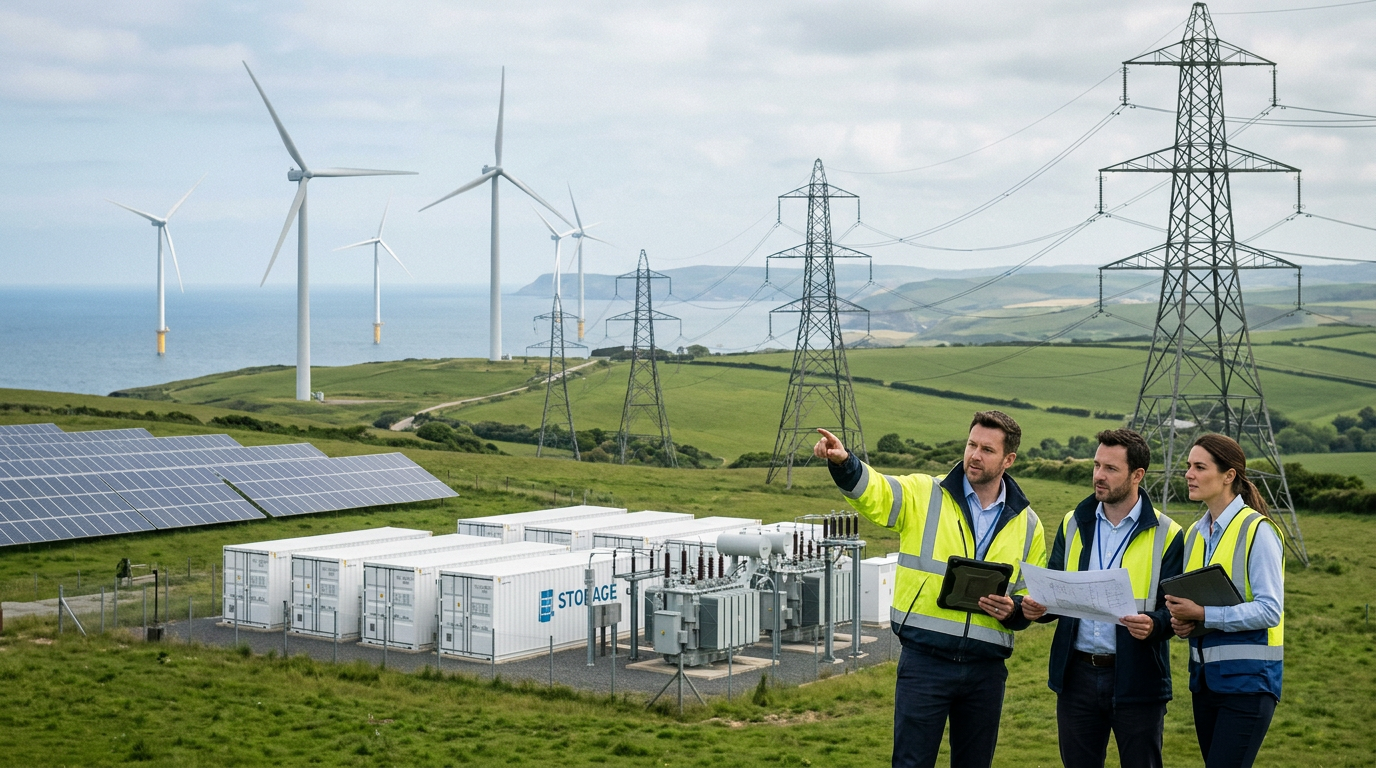
Despite the clear progress in renewable adoption, several key challenges persist. Grid constraints are a primary concern, as the existing infrastructure struggles to efficiently transmit and distribute the rapidly increasing volume of intermittent renewable power. Limited energy storage capacity is another critical barrier, preventing the UK from capturing and deploying surplus energy when generation exceeds immediate demand.
Consumer behaviour is evolving rapidly, with a growing number of UK residents embracing solar panels, electric vehicles (EVs), and heat pumps. While these adoptions are vital for decarbonisation, they further underscore the urgency of addressing grid limitations and enhancing storage solutions. The increased demand for charging EVs and powering heat pumps requires a robust and flexible electricity network.
Developing smart grids that can dynamically manage supply and demand, alongside investing in large-scale battery storage, pumped-hydro, and potentially hydrogen-based solutions, are crucial steps. These technological advancements will enable the UK to fully harness its renewable capacity, reduce reliance on fossil fuels, and ensure a stable and affordable energy supply for all citizens.
The economic implications of renewable curtailment are substantial, as valuable clean energy is wasted rather than used. Addressing these infrastructure deficits is not just an environmental imperative but also an economic one, promising long-term cost savings and enhanced energy security for the nation. The UK's journey towards a net-zero future depends heavily on its ability to effectively manage this growing bounty of green power.