There is an old investing idea: in a gold rush, the surest money is often in selling shovels, not digging. The life science tools link is healthcare's shovel store. These companies do not bet on which drug will succeed or which diagnosis will rise — they sell the equipment, chemicals, and tests that every researcher and lab needs regardless. When the whole industry is busy, they prosper, whoever wins the individual races.
Part 3 of 8
Picks-and-shovels
4 Jun 2026The tools: the picks-and-shovels of medicine
The picks-and-shovels of healthcare — Thermo Fisher, Danaher, Illumina, Quest — who sells the instruments and tests the whole industry runs on.
Key Takeaways
- 1This article covers key developments in the crypto market
- 2Always verify claims with official FCA and regulatory sources
- 3Past performance does not guarantee future results
- 4Consider speaking to a qualified financial adviser before acting
- 5TradeRadarNews provides information only — not financial advice
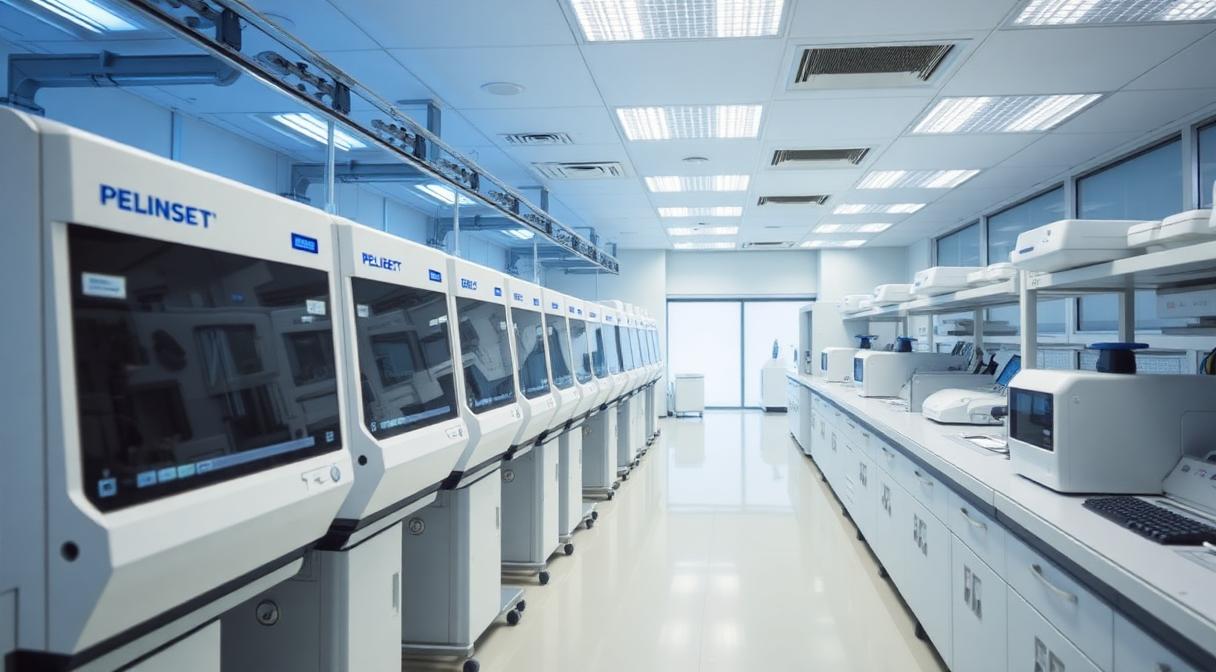
Every drugmaker, lab, and hospital is a customer here. The tools link sells the instruments, reagents, and tests the rest of the chain cannot operate without.
Where this sits in the chain
The Tools sit beneath the science, supplying both The Discovery and The Frontier with research instruments, and supplying The Providers with the diagnostic tests that guide treatment. They overlap at the edges with The Devices. For the full map, see The System.
What this link is
Two distinctions matter here:
- The razor-and-blade model. Many of these companies sell an instrument once (the razor) and then sell the consumables it needs forever (the blades) — reagents, test kits, cartridges. That recurring consumables revenue is steadier and more profitable than one-off equipment sales, and it is the heart of the business.
- Diagnostics versus devices. A diagnostic measures something — a blood test, a genetic sequence — to inform a decision. A device (the next link) does something to the body. The line blurs, but the distinction explains why these companies sit upstream of treatment.
The companies
Thermo Fisher Scientific (TMO)
What they do: The supplier the rest of the industry buys its tools from — instruments, reagents, lab supplies, and contract manufacturing for drugmakers, at vast scale. The numbers: [refresh: latest quarter revenue + organic growth %; share of revenue that is recurring]. The edge: breadth and scale no rival matches, plus a large base of recurring consumables revenue. The risk: when biotech funding dries up or pharma trims research budgets, orders slow — the business is geared to the industry's spending cycle.
Danaher (DHR)
What they do: a focused life-science and diagnostics group, strong in bioprocessing — the tools used to manufacture biologic drugs. The numbers: [refresh: latest quarter; bioprocessing demand trend]. The edge: a disciplined operating system and exposure to the growth of biologic medicines. The risk: bioprocessing demand swung hard after the pandemic as customers worked through stockpiled supplies, showing the cyclicality beneath the steady reputation.
Illumina (ILMN)
What they do: the dominant maker of gene-sequencing machines — the equipment that reads DNA. The numbers: [refresh: latest quarter; installed base / consumables pull-through]. The edge: a large installed base of sequencers locked into Illumina's consumables — a textbook razor-and-blade moat. The risk: new competitors are targeting that sequencing dominance directly, and past acquisition and regulatory missteps have weighed on the company.
Quest Diagnostics (DGX)
What they do: runs one of the largest US clinical-laboratory networks, processing routine medical tests at scale. (Labcorp, LH, is the close peer.) The numbers: [refresh: latest quarter; volume trends]. The edge: scale and a national network that is hard and expensive to replicate. The risk: reimbursement pressure — the prices paid for routine tests tend to grind lower over time.
Context, not profiles. Roche Diagnostics and Siemens Healthineers are major players in this link, but as non-US-index companies they appear here only for context.
The bull and bear case
The bull case: picks-and-shovels neutrality. These companies profit from the activity of research and testing rather than the success of any one product, and much of their revenue recurs. Long-term growth in science and diagnostics supports demand.
The bear case: the link is more cyclical than it looks. It rises and falls with biotech funding and pharma research budgets, carries meaningful exposure to China, and faces price competition in both instruments and tests.

What feeds it, what it feeds
The Tools are fed by demand from The Discovery and The Frontier, and they feed The Providers with the diagnostics that direct care. The spending cycles that drive the whole link are part of The Forces. Back to the map: The System. Next, the physical hardware of treatment — The Devices.
This article is for information only and is not investment advice or a recommendation to buy or sell any security. [Publication] is not a licensed financial adviser. Figures are accurate as of June 2026 and will change. Markets carry risk, including loss of capital. Rules, taxes, and available products differ by country — do your own research and consider a locally regulated professional.
Risk Warning: Trading and investing carries significant risk. Your investments can fall as well as rise. CFDs carry high risk of rapid loss due to leverage. Cryptocurrency is not FCA-regulated and not covered by FSCS. This is information only, not financial advice. Seek independent advice before investing.
Written by
TradeRadarNews Team
Editorial Team
Our editorial team covers markets, fintech, and regulatory developments across the UK and globally.