
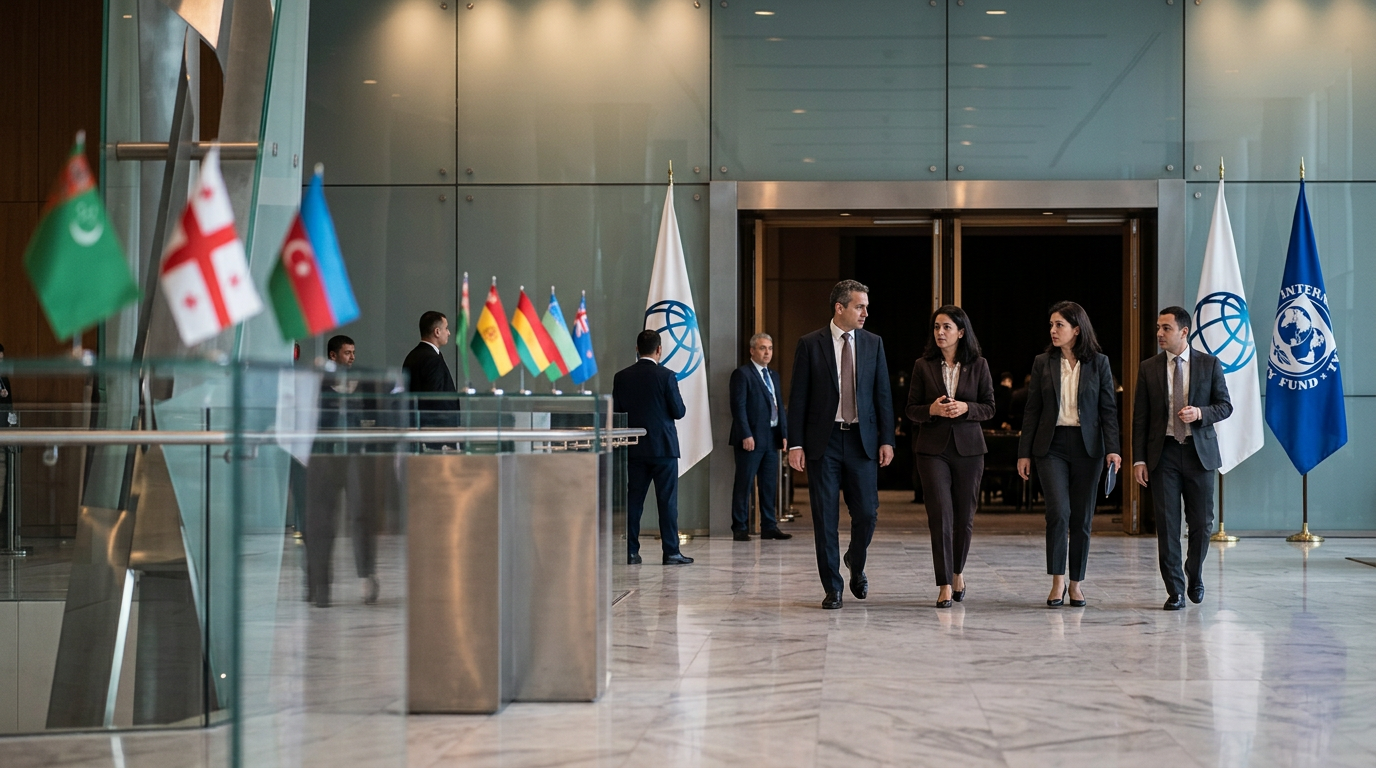
While the general trend points downwards, Azerbaijan stands out as a notable exception. The nation is projected to experience a modest uptick in its economic growth, defying the broader regional downturn. This contrasting forecast for Azerbaijan warrants closer examination for those tracking regional economic performance.
The reports from both the World Bank and IMF underscore the precarious nature of the current global economic climate. A major concern highlighted is the ongoing conflict involving Iran, alongside wider geopolitical tensions. These factors are identified as significant threats that could further deteriorate the economic prospects for Central Asian and Caucasian countries.
Businesses operating within or looking to invest in these regions should pay close attention to these warnings. The potential for slower growth could lead to reduced consumer spending, tighter credit conditions, and increased operational uncertainties. Monitoring geopolitical developments will be crucial for risk assessment and strategic planning.
Policymakers in Central Asia and the Caucasus face immediate challenges. Implementing robust economic diversification strategies and fostering regional cooperation could help mitigate the adverse effects of a slowdown. Attracting foreign direct investment (FDI) into non-extractive sectors might also offer some resilience against external shocks.
The pronouncements from the World Bank and IMF serve as a critical economic barometer. Their analysis suggests a period of heightened caution is necessary for anyone engaging with the economies of Central Asia and the Caucasus, with Azerbaijan representing a potential outlier in an otherwise challenging forecast.