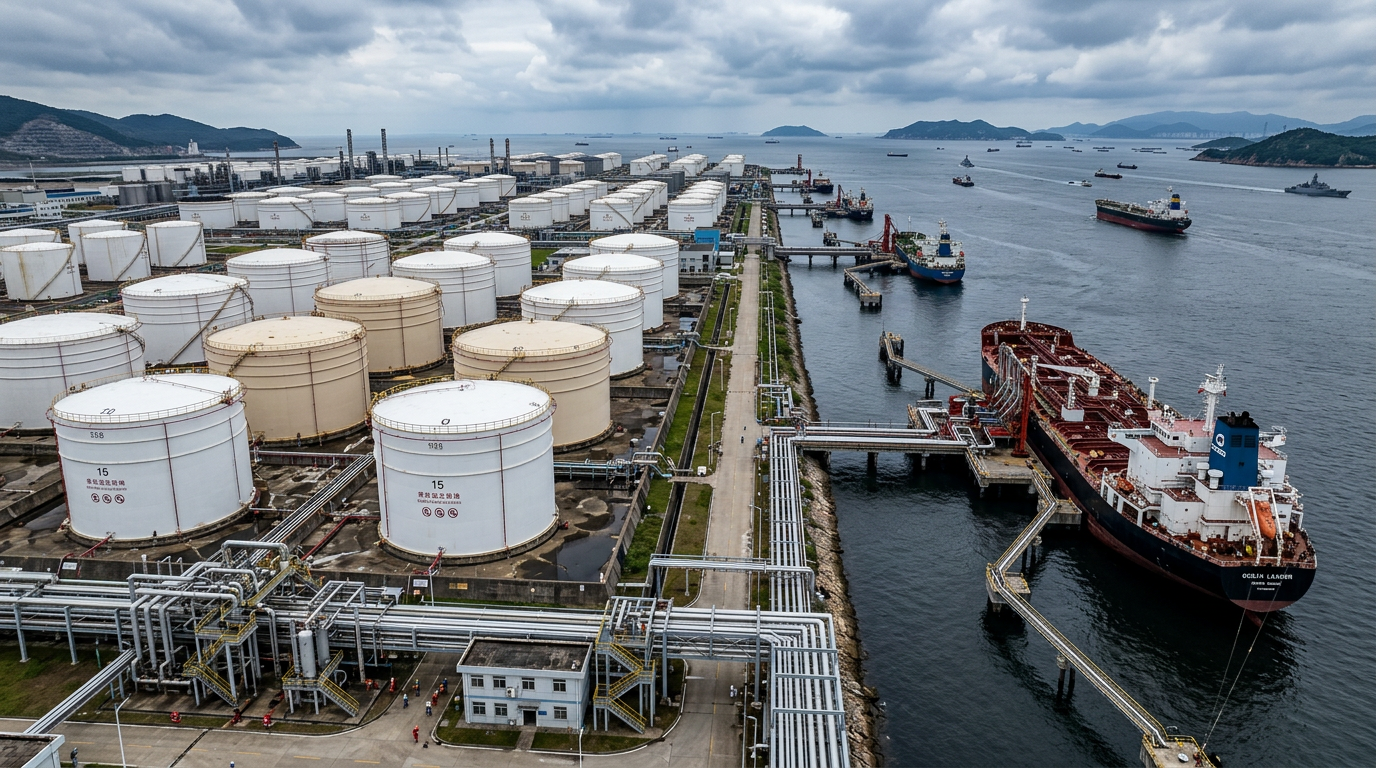
Wang Changlin, Vice Chairman of the National Development and Reform Commission, highlighted that China already possesses a significant degree of insulation from energy supply shocks, a reassuring statement for global markets. Despite this existing resilience, the nation, as the world's largest oil importer, is not resting on its laurels. According to Reuters, Mr. Changlin emphasised that the ongoing reserve-building initiatives are crucial for further strengthening China's economic robustness.
These efforts are part of a broader strategy that also includes a concerted drive to diversify China's import sources for crude oil. By broadening its network of suppliers, China aims to reduce reliance on any single region or nation, thereby mitigating geopolitical risks and ensuring a more stable and varied supply chain. This diversification is a key component of China's long-term energy security strategy, designed to ensure a consistent flow of petroleum resources regardless of international events.
The expansion of China's strategic petroleum reserves (SPR) reflects a global trend among major economies to safeguard national interests against unforeseen crises. The lessons learned from recent geopolitical tensions and supply chain vulnerabilities have prompted many nations to re-evaluate their energy independence and resilience. China's move is a significant indicator of its forward-thinking approach to national security and economic stability in an increasingly unpredictable world.
Experts suggest that this increased stockpiling could have various implications for the global oil market. While it provides China with greater leverage and protection, it could also influence demand dynamics and price stability. The sheer volume of China's oil consumption means that its procurement strategies have a substantial impact on international crude oil prices and trading patterns.
Furthermore, the announcement signals China's commitment to maintaining economic growth and industrial output. A secure and abundant energy supply is fundamental to sustaining its vast manufacturing sector and urban development. By proactively addressing potential energy shortfalls, China aims to ensure uninterrupted progress on its ambitious development goals.
The National Development and Reform Commission's role in this initiative is paramount. As the principal agency responsible for macroeconomic management, it oversees critical aspects of China's economic and social development, including energy policy. Its endorsement of expanded oil stockpiling underscores the strategic importance of this policy decision at the highest levels of Chinese government.
In conclusion, China's decision to significantly expand its oil stockpiles is a strategic imperative driven by a desire for enhanced energy security and resilience against global supply shocks. This multifaceted approach, encompassing increased reserves and diversified import sources, positions China to navigate future international uncertainties more effectively, ultimately bolstering its economic stability and influence on the global stage. This development will undoubtedly be closely watched by analysts and oil traders worldwide.