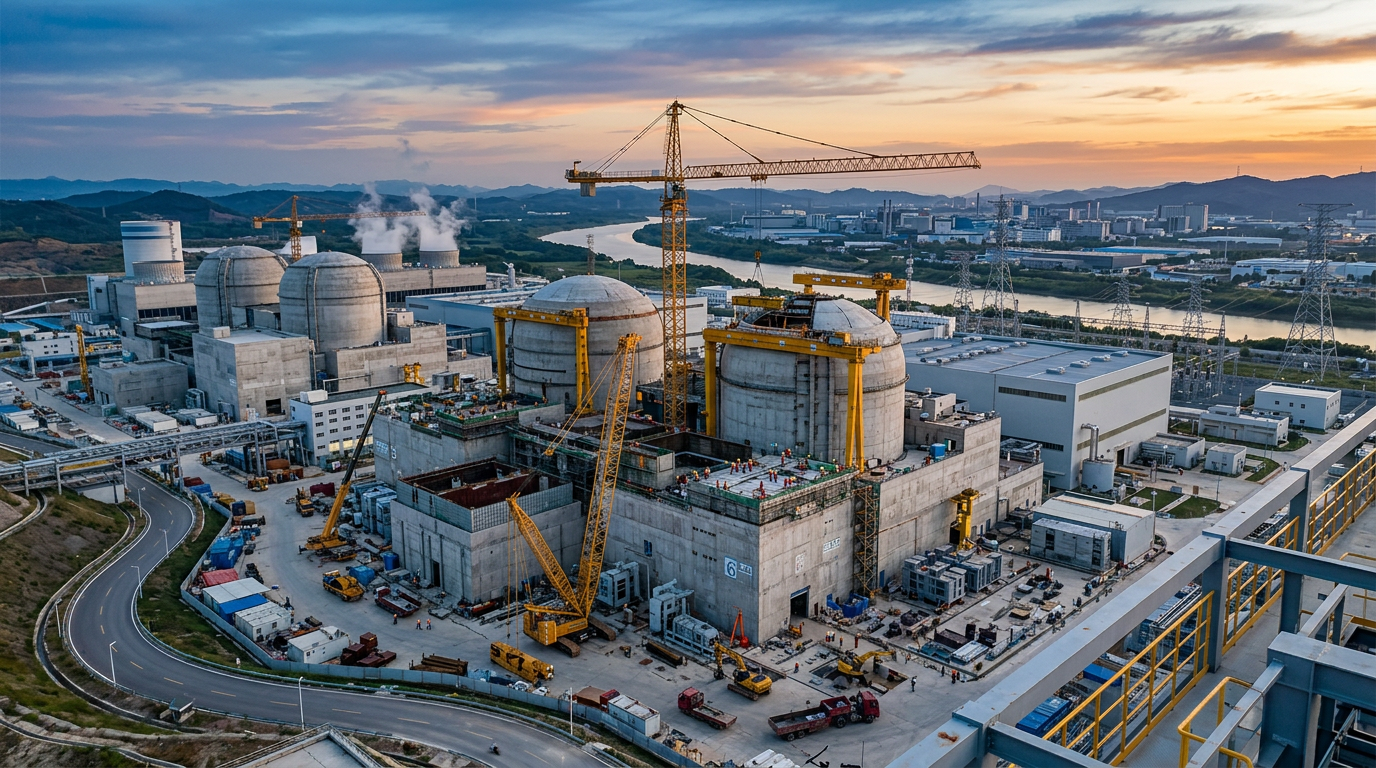
The pace of development is truly remarkable. Beyond new operational capacity, an additional 16 reactors have received official approval for construction, while a staggering 36 are currently in various stages of being built. This extensive pipeline, according to official data cited by Global Times, highlights China's unwavering commitment to nuclear energy as a cornerstone of its future power generation strategy.
Currently, China boasts 60 operational nuclear reactors, contributing a substantial 125 million kilowatts to the national grid. This impressive output firmly establishes China as having the world's largest nuclear power fleet. The continued expansion is set to dramatically increase this capacity, positioning China at the forefront of global nuclear energy production for decades to come.
This aggressive push into nuclear power carries significant implications for global energy markets, climate change mitigation efforts, and technological innovation. China's rapidly growing demand for electricity, driven by industrial expansion and urbanisation, necessitates diverse and reliable energy sources. Nuclear power provides a consistent, low-carbon option, aligning with the country's environmental goals.
The scale of this nuclear power boom also presents opportunities and challenges for international collaboration and supply chains. As China expands its domestic nuclear industry, it will likely become a more influential player in exporting nuclear technology and expertise. This strategic direction could reshape the competitive landscape for nuclear plant manufacturers and operators worldwide.
Furthermore, the sheer volume of new reactors under construction and planned raises important considerations regarding safety standards, waste management, and regulatory oversight. China's experience in managing such a large and complex nuclear programme will provide valuable insights for other nations considering or expanding their own nuclear energy initiatives.
Overall, China's accelerating nuclear power development represents a pivotal shift in global energy dynamics. The nation's investment in this technology underscores its strategic vision for energy independence, economic growth, and environmental sustainability, solidifying its role as a leading force in the future of nuclear energy.