
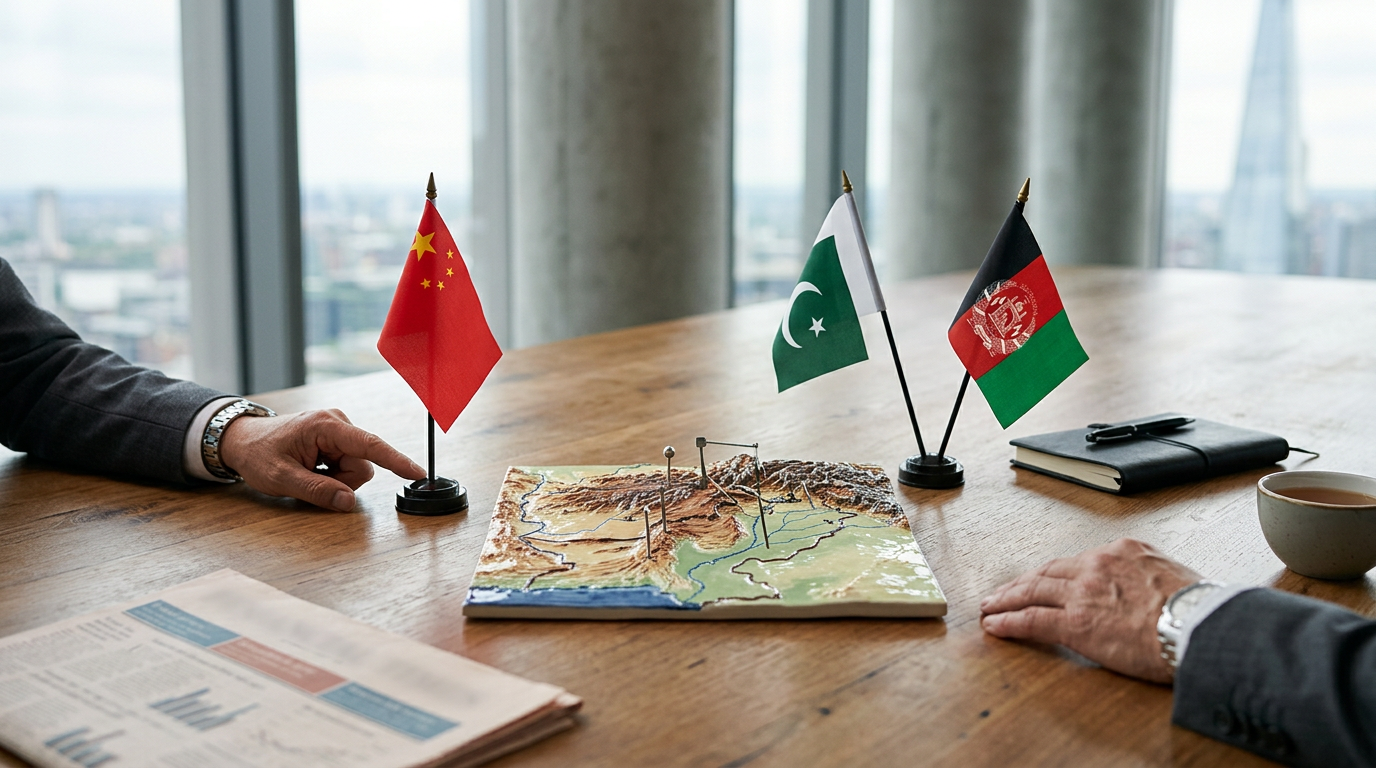
The core of the dispute largely revolves around Afghanistan's alleged ties to various militant groups. Pakistan has repeatedly expressed concerns that such groups operate from Afghan soil, posing a direct threat to its national security. This highly contentious issue remains a significant hurdle to achieving lasting peace and stability in the border regions.
Beijing’s involvement in these high-stakes negotiations is a clear indication of its increasing strategic interest in its western periphery. China shares a border with Afghanistan through the narrow Wakhan Corridor and has a substantial economic stake in the stability of both Pakistan and Afghanistan, particularly with its massive Belt and Road Initiative (BRI) projects.
The ongoing instability poses a direct threat to the safety and viability of these infrastructure investments. Maintaining a secure and peaceful neighbourhood is paramount for China to protect its economic interests and the security of its own western Xinjiang region, which has been grappling with extremist elements.
However, Beijing’s diplomatic leverage appears to have its limitations. While China can convene meetings and encourage dialogue, the deep-seated mistrust and unresolved grievances between Islamabad and Kabul prove difficult to overcome. The intricate web of historical rivalries, political complexities, and the influence of non-state actors present a formidable challenge to any external mediator.
The international community, including global financial markets, watches these developments closely. Regional stability directly impacts trade routes, energy security, and investment climates, making China’s efforts critical for wider economic prospects. The potential for resurgence of extremist groups in a volatile Afghanistan also raises global security concerns.
For UK investors and businesses, understanding these geopolitical dynamics is crucial. Instability in South Asia can ripple through global supply chains and impact commodity markets, including crude oil prices, which are often sensitive to regional conflicts. The effectiveness of China’s peace-making role will determine, in part, the future economic landscape of the region.
China’s commitment to regional stability is evident, yet the road to a lasting peace between Pakistan and Afghanistan is fraught with obstacles. Until the fundamental issue of militant group ties is unequivocally addressed, any peace efforts, regardless of the mediator’s influence, may only offer temporary respite from an otherwise 'overlooked war'. The world waits to see if Beijing can truly achieve a breakthrough where others have struggled.