The strategic shift towards electrification presents a clear pathway to mitigating these risks. By fully embracing and executing this transition, Europe can achieve enhanced energy security, greater control over energy costs for consumers and businesses, and a significant boost to its industrial competitiveness on the global stage. This comprehensive approach is vital for long-term economic stability and environmental sustainability.
Historically, reliance on fossil fuels has proven to be an inherently structurally fragile model for energy provision. Geopolitical events, supply chain disruptions, and fluctuating global demand can create unpredictable market conditions. The current energy crisis serves as a stark reminder that a fragmented approach, where significant investment into renewables is not matched by commensurate development in integrated infrastructure, leaves the system vulnerable. This half-measure strategy undermines the very benefits that the energy transition is designed to deliver.
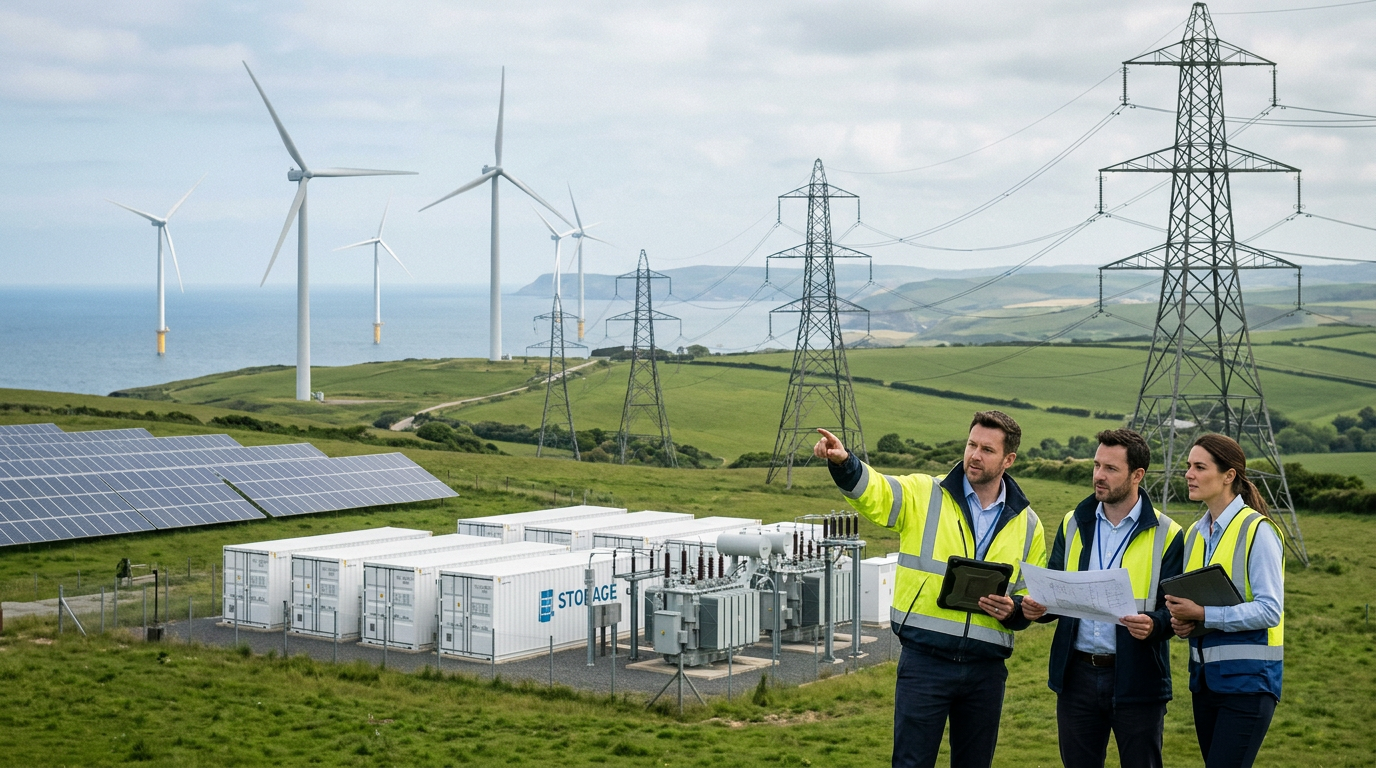
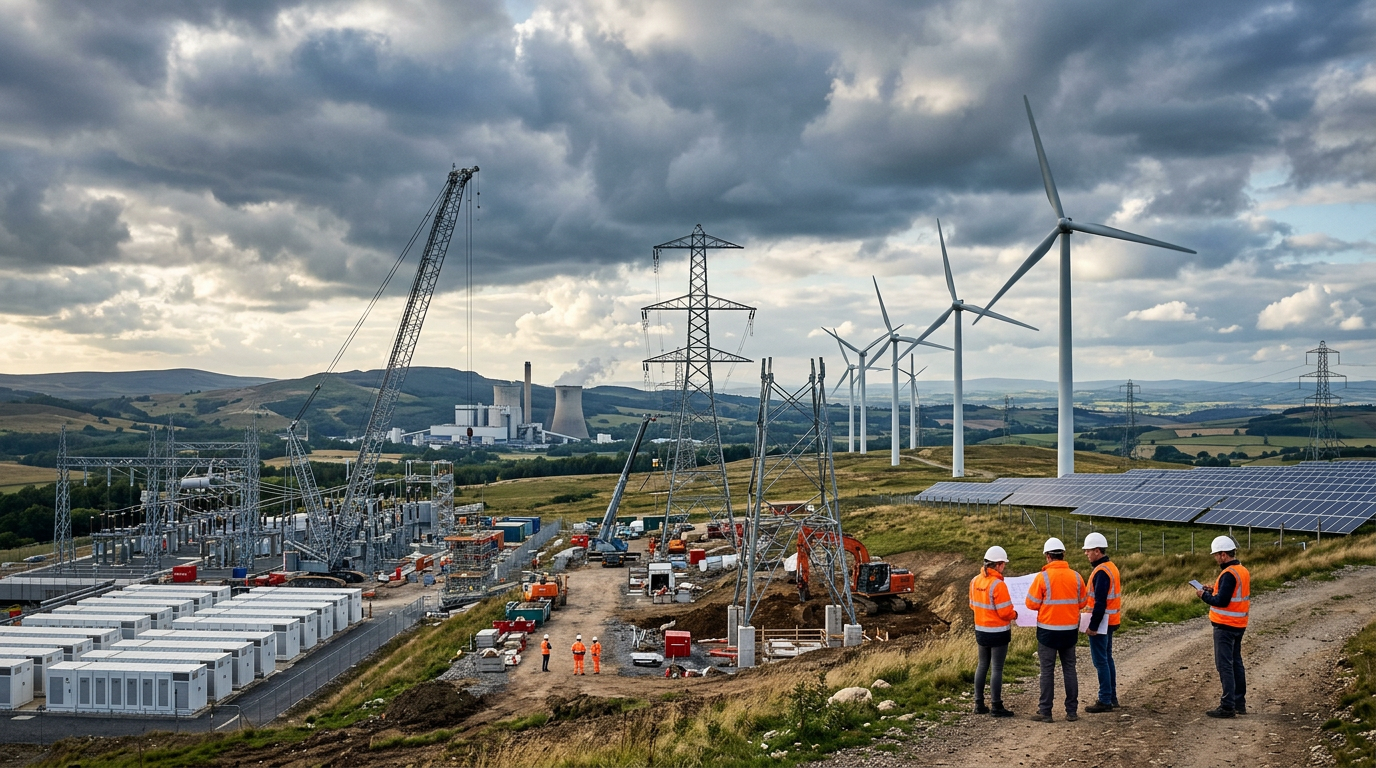
To safeguard its economic future and maintain a competitive edge, Europe must urgently accelerate its infrastructure development. This means prioritising substantial investment in smart grids, which can efficiently manage and distribute renewable energy. Furthermore, the development of large-scale battery storage, pumped-hydro storage, and other innovative storage solutions is paramount to ensure energy availability when renewable generation is low. Increased system flexibility, through demand-side management and responsive energy markets, will also play a crucial role.
Beyond infrastructure, Europe needs to strategically identify and support key industries that can drive and benefit from a fully realised energy transition. This involves fostering innovation in green technologies, supporting domestic manufacturing of renewable components, and creating a skilled workforce capable of building and maintaining a future-proof energy system. Such strategic industrial policy will not only secure energy independence but also create high-value jobs and drive economic growth.
The consensus among energy experts is clear: the solution to Europe's energy challenges is not to decelerate the transition, but to intensify and complete it. A hesitant or piecemeal approach will only prolong vulnerability and hinder economic progress. A decisive, comprehensive strategy that integrates renewable energy generation with robust infrastructure, advanced storage, and market flexibility is the only viable path forward for a secure, sustainable, and competitive European future. This full commitment is essential to ensure that the continent meets its climate targets and secures its energy destiny.