Tehran has vehemently justified its actions, characterising the ongoing US naval blockade of Iranian ports as a direct violation of the existing ceasefire agreement and an act of "piracy." President Trump had previously vowed to maintain this blockade until a comprehensive nuclear deal with Iran was successfully brokered. This escalation in rhetoric and action underscores the fragile geopolitical landscape in the Middle East and its profound implications for global energy security.
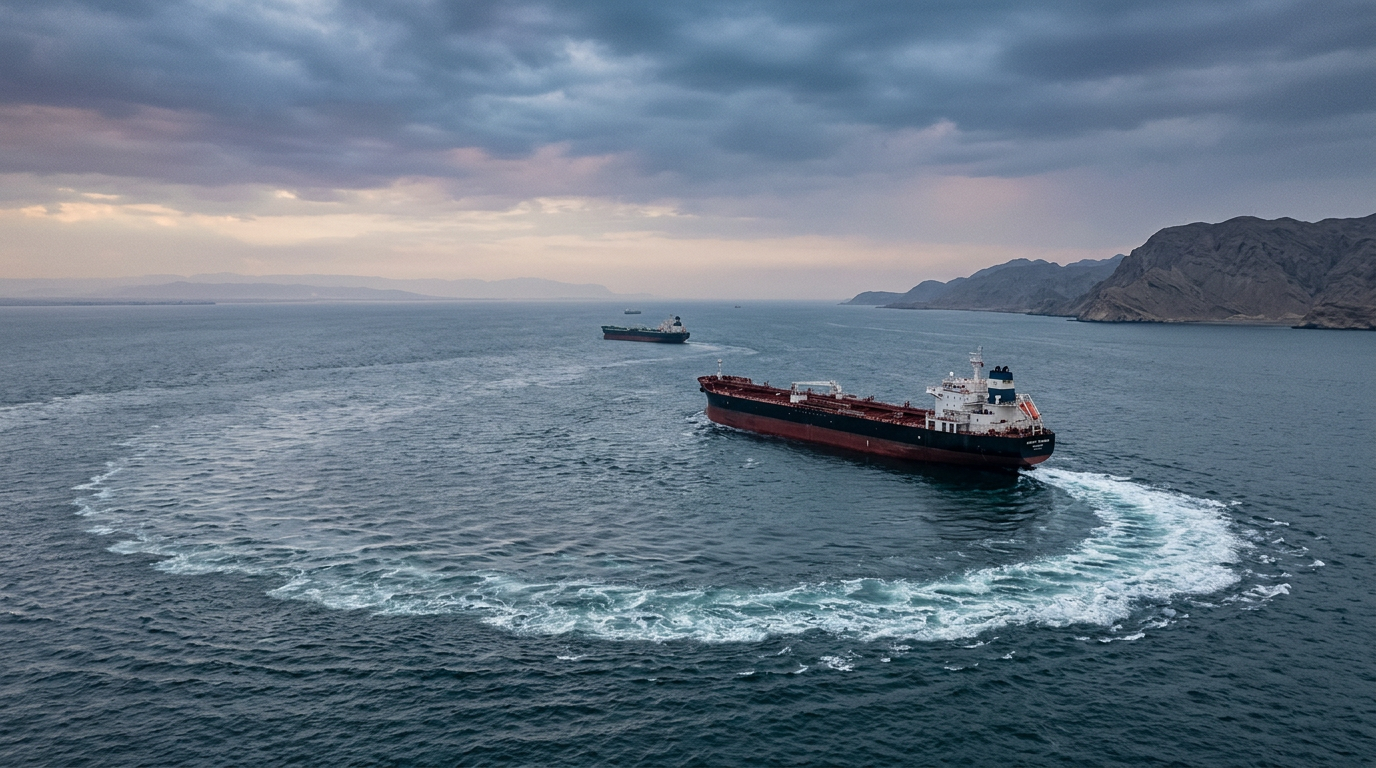
Evidence from ship tracking data paints a picture of uncertainty and disruption in the region. Despite the conflicting declarations from both sides, traffic through the Strait of Hormuz remains minimal. Some tanker convoys, presumably attempting to test the waters, have been observed endeavouring to navigate the channel. However, a significant number of vessels have, concerningly, executed U-turns within the Persian Gulf, opting to abandon their planned passage.
This volatile situation highlights the precarious balance of power and the intricate web of international relations surrounding Iranian sanctions and nuclear ambitions. The closure of the Strait of Hormuz, a choke point for a substantial portion of the world's oil supply, inevitably triggers anxieties about potential supply disruptions and subsequent price hikes in the crude oil market.
Analysts are closely monitoring the unfolding events, as this re-closure could have far-reaching economic consequences. The disruption to oil shipments directly impacts global energy prices and overall economic stability. Businesses and consumers worldwide are bracing for potential increases in fuel costs and uncertainty in trade routes. The international community is actively seeking diplomatic solutions to de-escalate tensions and ensure the unimpeded flow of maritime commerce through this critical waterway.
The repeated closures and openings of the Strait of Hormuz, often influenced by political bargaining and security concerns, underscore the region's inherent instability. This latest development serves as a stark reminder of the vulnerability of global supply chains to geopolitical pressures and the urgent need for sustained diplomatic efforts to maintain peace and stability in the Persian Gulf.