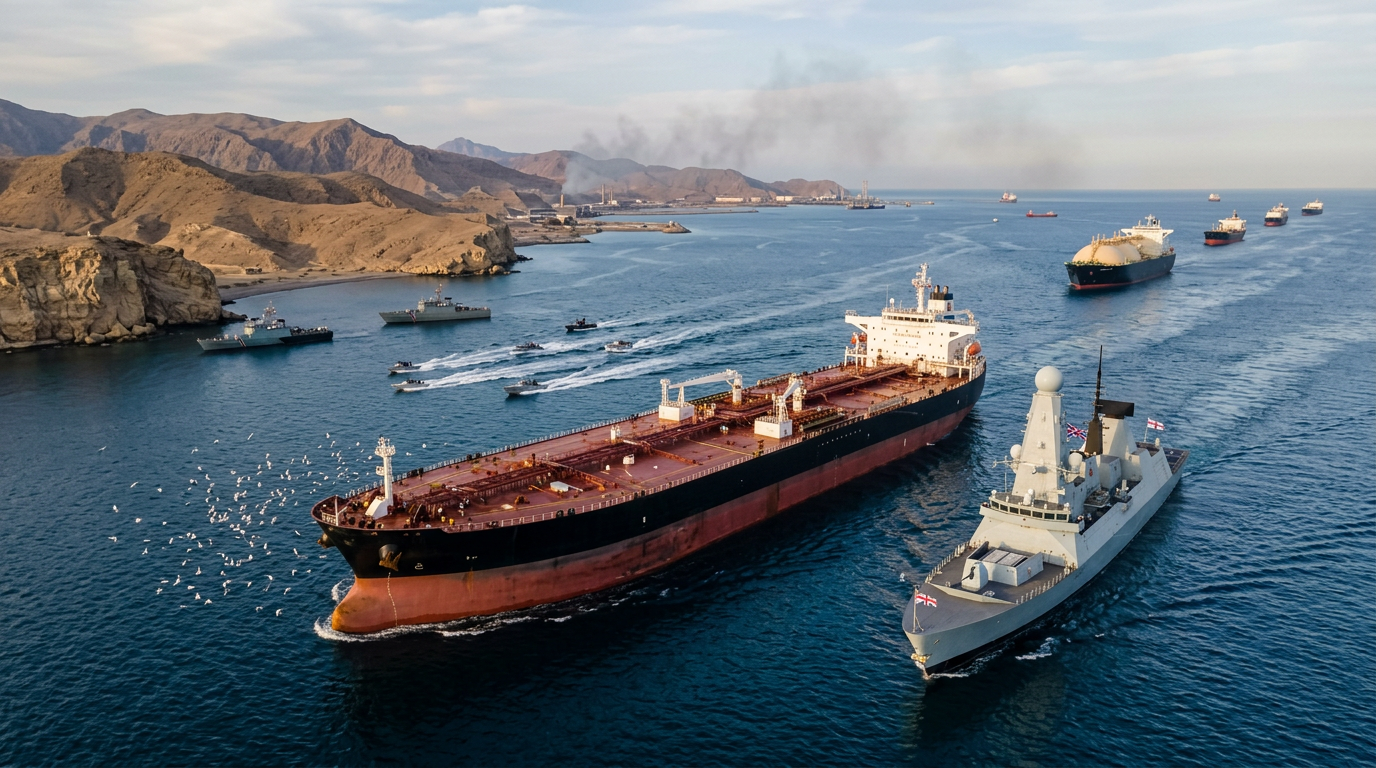
Recent intelligence indicates that Iranian naval forces have reportedly turned away approximately 20 commercial vessels attempting passage through the Strait of Hormuz. These actions have been met with equally stringent enforcement by the US, which has rerouted numerous additional ships, bringing the total number of disrupted tankers to over 20. This alarming development suggests a rapid deterioration of the situation.
According to reports, merchant shipping received direct radio communications from Iranian military units, explicitly declaring the waterway inaccessible to all traffic. Tehran's justification for these actions remains unclear, but it marks a significant escalation in rhetoric and military posturing within a strategically critical region. The implications for the global economy, particularly for oil and gas markets, are profound.
The Strait of Hormuz is singularly important for the transportation of crude oil and liquefied natural gas (LNG). A substantial portion of the world's seaborne oil passes through this narrow waterway, connecting the Persian Gulf to the open ocean. Any disruption, let alone a potential closure, triggers immediate volatility in energy prices and poses a severe threat to global energy security.
The international community is closely monitoring the situation, with calls for de-escalation from various diplomatic channels. However, the current actions by Iran, coupled with the persistent US naval presence, indicate a hardening of positions on both sides. This increases the likelihood of miscalculation or accidental confrontation, which could precipitate a full-scale crisis.
For UK businesses and consumers, the direct consequence of a Strait of Hormuz closure would likely be a sharp spike in crude oil prices. This would translate into higher petrol and diesel costs, increased freight charges, and a general inflationary pressure across the economy. Energy security contingency plans would be activated, but the economic fallout would be substantial and far-reaching.
Analysts are warning that the current standoff represents a critical juncture. The risk of sustained disruption to oil shipments through the Strait of Hormuz is now higher than it has been in years. Investors are urged to remain vigilant as the situation unfolds, with particular attention to how this potential crisis could impact broader market stability and the cost of oil.