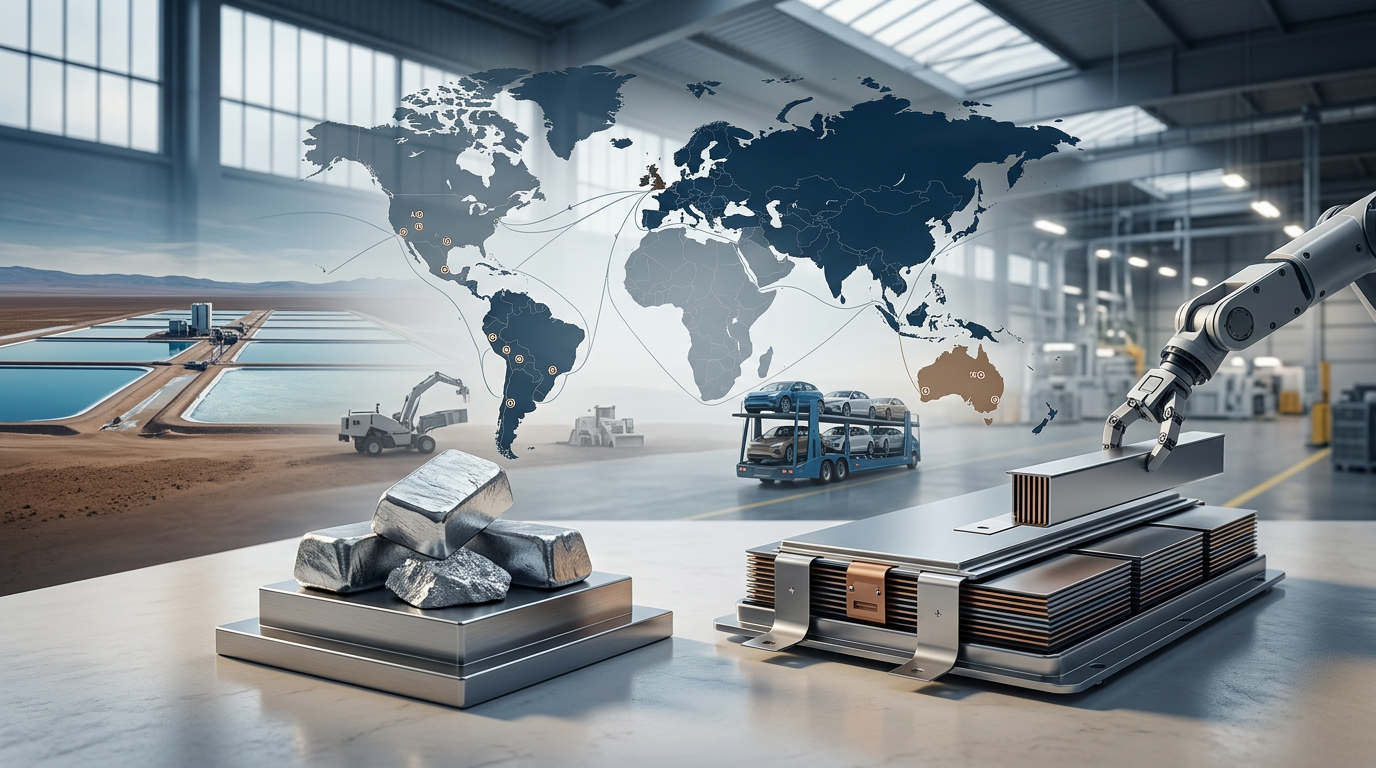
Currently, China holds a dominant position in the global lithium supply chain. The nation not only leads in lithium production but also in its refining capabilities, thus exerting considerable influence over the global market. This dominance has prompted concerns among Western nations regarding supply security and geopolitical influence.
In response to China's formidable control, Western countries are actively seeking to diversify their lithium sourcing and processing. A key strategy involves accelerating domestic mining operations within their own borders. This push for localised production aims to reduce reliance on external suppliers and bolster national economic resilience.
Furthermore, there is a strong emphasis on developing and implementing new technological advancements in lithium extraction and processing. These innovations are crucial for enhancing the efficiency of the supply chain, as well as for improving the overall sustainability of lithium production. The goal is to minimise environmental impact while maximising output.
The drive for sustainability extends beyond just extraction. Western nations are also exploring advanced recycling techniques for lithium-ion batteries. This closed-loop approach seeks to recover valuable lithium from end-of-life products, thereby reducing the need for virgin materials and mitigating environmental footprints associated with mining.
The UK, alongside other European nations, views securing a stable and sustainable lithium supply as paramount for its green industrial revolution. Investment in research and development for domestic lithium projects, including those exploring geothermal brines and hard rock deposits, is gaining traction. This strategic focus is essential to support the booming EV market and ensure energy independence.
Beyond mining, the development of robust refining and processing capabilities within the UK and Europe is also a high priority. This vertical integration of the supply chain, from raw material to finished battery component, is seen as crucial for national security and economic growth. The aim is to create a resilient and self-sufficient ecosystem for battery manufacturing.
The global race for lithium control is not merely an economic contest; it's a strategic imperative shaping future energy policies and technological advancements. As the world transitions to a low-carbon economy, assured access to critical minerals like lithium will be a defining factor in national competitiveness and environmental stewardship.