
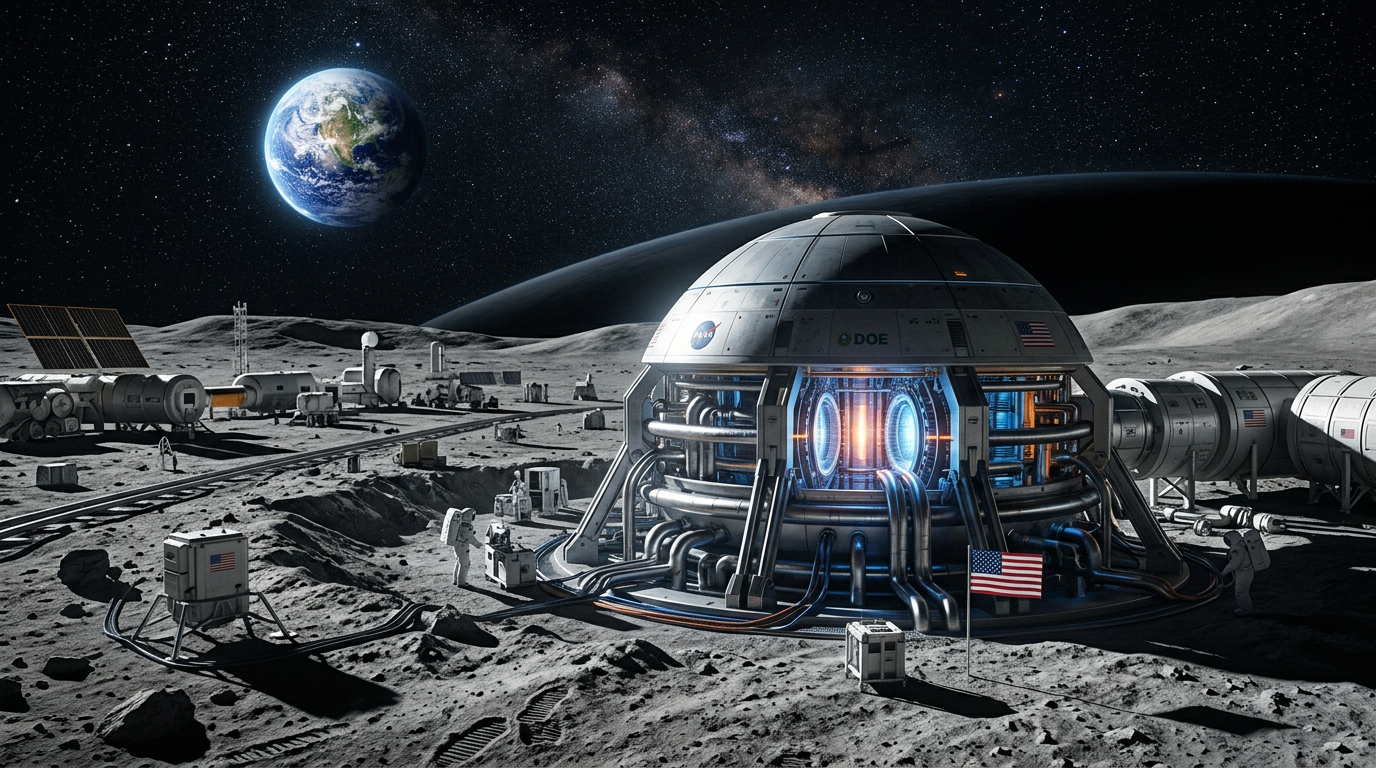
Nuclear power is widely regarded as the sole viable energy solution for sustained lunar operations. The Moon's harsh environment, characterised by extended 14-Earth-day-long lunar nights, effectively rules out alternative energy sources such as solar, wind, and hydropower. These prolonged periods of darkness necessitate a robust and continuous power supply that only nuclear technology can reliably provide.
Historically, the United States successfully deployed a nuclear reactor into orbit back in 1965. However, subsequent space-based nuclear programmes faced significant setbacks and were ultimately abandoned following incidents involving radioactive releases. These past challenges have led to considerable investment in space nuclear projects that, to date, have not yielded operational systems.
Despite previous hurdles and the expenditure of billions by NASA on unsuccessful ventures, the White House maintains that this latest initiative will be different. The renewed directive signal a strategic push to overcome historical technological and safety concerns, leveraging advancements in nuclear science and engineering.
Developing a safe and efficient nuclear reactor for deployment in space presents numerous engineering and logistical challenges. These include ensuring the structural integrity of the reactor during launch, managing thermal loads in the vacuum of space, and, critically, safeguarding against any potential radioactive contamination. These factors are paramount for mission success and for maintaining international confidence in space nuclear technology.
This move by the US government highlights a strategic pivot towards long-term lunar habitation and resource utilisation. A steady and powerful energy source is fundamental not only for sustaining human life but also for powering scientific experiments, communication systems, and potential industrial activities on the Moon. It could pave the way for future deep-space exploration missions.
The involvement of multiple government agencies, including NASA for space exploration expertise, the Pentagon for potential defence applications, and the Department of Energy for nuclear technology, demonstrates a comprehensive and coordinated approach. This inter-agency collaboration is crucial for combining diverse skill sets and resources to meet such an ambitious technological deadline.