
The Prime Minister's allegations were made during a parliamentary debate concerning President Karol Nawrocki's veto of a crypto regulation bill. Tusk further claimed that the exchange has historical ties to Russia and had previously provided financial support to the lawmakers in question. These comments underline a serious political dimension to Zondacrypto's current difficulties.
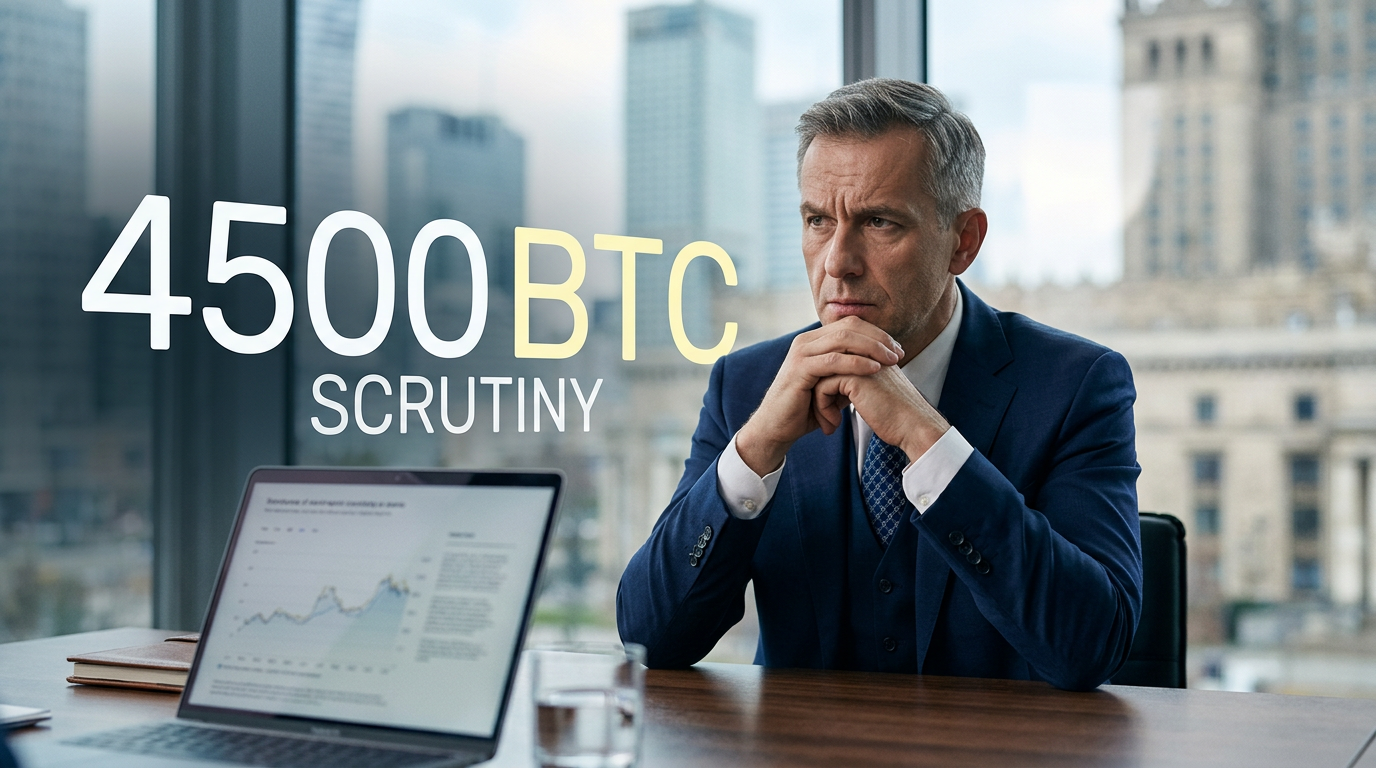
Adding to the pressure, CEO Przemysław Kral has been forced to address a highly unusual situation involving a substantial Bitcoin wallet. Kral admitted that Zondacrypto cannot access a wallet containing approximately 4,500 BTC, valued at around $330 million, because the private keys were not handed over by former CEO Sylwester Suszek in 2021. Suszek, who oversaw the exchange when it was known as BitBay, has been missing for four years.
Kral publicly disclosed the inaccessible wallet's address on social media platform X, aiming to demonstrate the exchange's solvency and counteract what he described as "unfounded accusations of alleged misappropriation of funds." He maintains that despite this significant inaccessible asset, Zondacrypto possesses sufficient reserves and remains profitable. However, local media reports, citing blockchain data, suggest that Zondacrypto's hot wallets have been largely depleted, casting doubt on these reassurances.
Reports of frozen or delayed customer withdrawals have been circulating since late March, further intensifying the scrutiny on the exchange. Kral strenuously denied any misuse of client funds, framing the current situation as a targeted campaign against the company. He alluded to a coordinated effort involving political pressure, regulatory interference, and negative media coverage. The ongoing saga has created significant uncertainty for Zondacrypto's customers and the broader Polish crypto market, raising serious questions about transparency, governance, and regulatory oversight in the burgeoning digital asset space.