Platinum and Palladium: The Industrial Precious Metals
Gold is mostly about money. Silver is split down the middle. Platinum and palladium — together called the platinum group metals, or PGMs — sit almost entirely at the industrial end of the spectrum. They are...
Key Takeaways
1This article covers key developments in the crypto market
2Always verify claims with official ASIC and regulatory sources
3Past performance does not guarantee future results
4Consider speaking to a qualified financial adviser before acting
5TradeRadarNews provides information only — not financial advice
Gold is mostly about money. Silver is split down the middle. Platinum and palladium — together called the platinum group metals, or PGMs — sit almost entirely at the industrial end of the spectrum. They are "precious" by scarcity and value, but they live or die by what factories do, not by what frightened investors do. That makes them a different animal, and one most newcomers misunderstand by treating them like little gold.
This article explains what the PGMs are actually for, why their supply is unusually risky, and how the shift to electric vehicles is both a threat and an opportunity. Read straight through, or jump to Going Deeper for the substitution and supply nuances.
The basics: what they do
The dominant use of both metals is the autocatalyst — the active component inside a vehicle's catalytic converter, which scrubs harmful gases out of exhaust. Broadly, palladium has been favoured in petrol (gasoline) engines and platinum in diesel, though carmakers can and do substitute one for the other when prices justify it.
This is the key fact: the single biggest driver of PGM demand is the car industry. When vehicle production is strong, PGM demand is strong. When car sales slump, so does demand. These metals are tied to the economic cycle in a way gold simply isn't.
Platinum has a second, smaller set of uses worth knowing — jewellery, and a range of industrial and chemical applications. And it has a potential third act: the hydrogen economy. Platinum is used in fuel cells (which turn hydrogen into electricity) and in electrolysers (which produce hydrogen). If hydrogen power scales up over the coming decades, it could become a meaningful new source of platinum demand. That's a long-term thesis, not a 2026 reality — but it's why platinum gets discussed as an energy-transition metal.
The basics: where they come from
Here's the risk most people miss. PGM supply is extraordinarily concentrated geographically. A large majority of the world's mined platinum comes from southern Africa, and a very large share of palladium comes from Russia. A handful of countries and companies dominate.
Concentration like this means the supply side is exposed to events that have nothing to do with the metal itself: power shortages, labour disputes, mine flooding, sanctions, and geopolitical tension. When most of a metal comes from one or two places, a problem in those places becomes a problem for the whole market. Both metals have spent recent years in supply deficit, with mined output struggling to keep pace with demand.
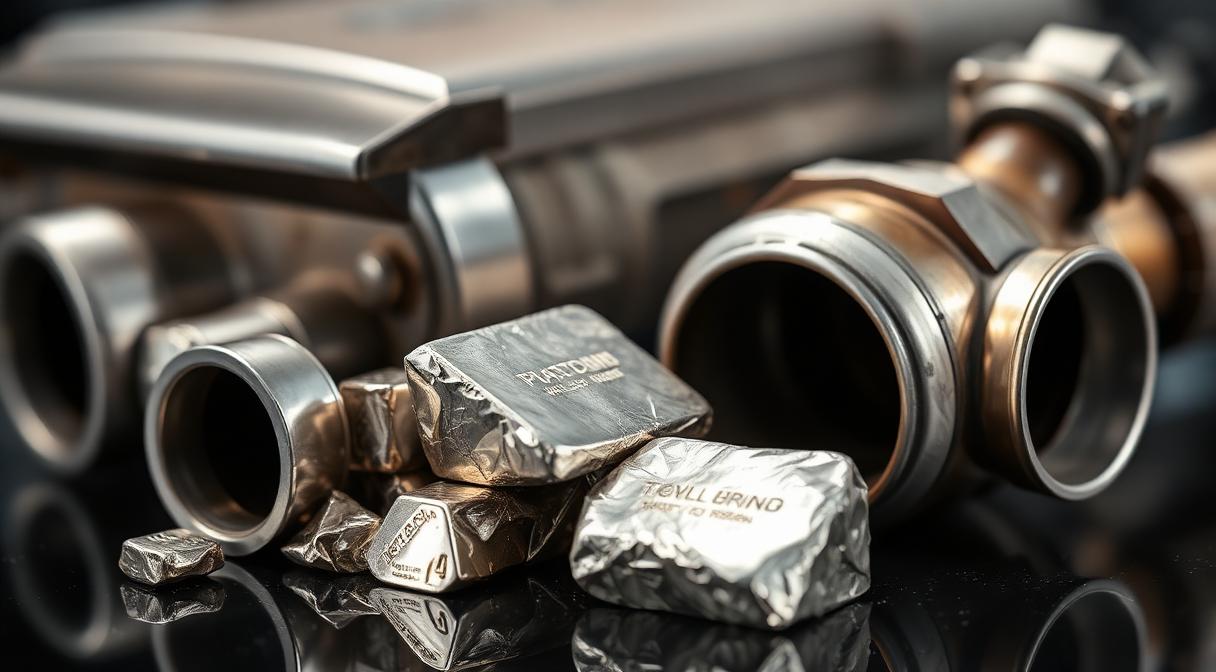
PGMs link precious-metals investing to auto and hydrogen demand. Image generated for editorial use.
Going deeper: the EV double-edge and substitution
For experienced readers, two dynamics define the PGM investment case.
The first is substitution. Because platinum and palladium can both do the autocatalyst job, carmakers switch toward whichever is cheaper. For years palladium traded at a large premium to platinum, which pushed engineers to design platinum back in. This substitution caps how far the two prices can diverge and means you can't analyse one PGM in isolation — they're a linked pair.
The second, and bigger, is the electric-vehicle transition, which cuts both ways. A pure battery electric vehicle has no exhaust and therefore needs no autocatalyst — so as battery EVs take share from combustion engines, the core demand pillar for both PGMs erodes. This is a genuine structural headwind, and it's the central bear case, especially for palladium. The offsets: hybrids (which still use autocatalysts) have proven more durable than some forecasters expected, the combustion fleet won't vanish overnight, and platinum has the hydrogen optionality that palladium largely lacks. So platinum carries a more balanced long-term story; palladium is more exposed to the EV threat.
A practical caution: PGM markets are small and illiquid relative to gold. Prices can move violently on supply news, and the metals are harder for ordinary investors to access and store. The volatility is not a bug to be ignored — it's the defining feature.
The takeaway
Platinum and palladium are industrial precious metals whose fortunes are tied to car production, not investor fear. Supply is dangerously concentrated in southern Africa and Russia, making it vulnerable to disruption. The EV transition threatens autocatalyst demand — a real headwind, sharper for palladium — while platinum holds a longer-term hydrogen card. Treat them as a linked, cyclical, volatile pair, not as substitutes for gold.
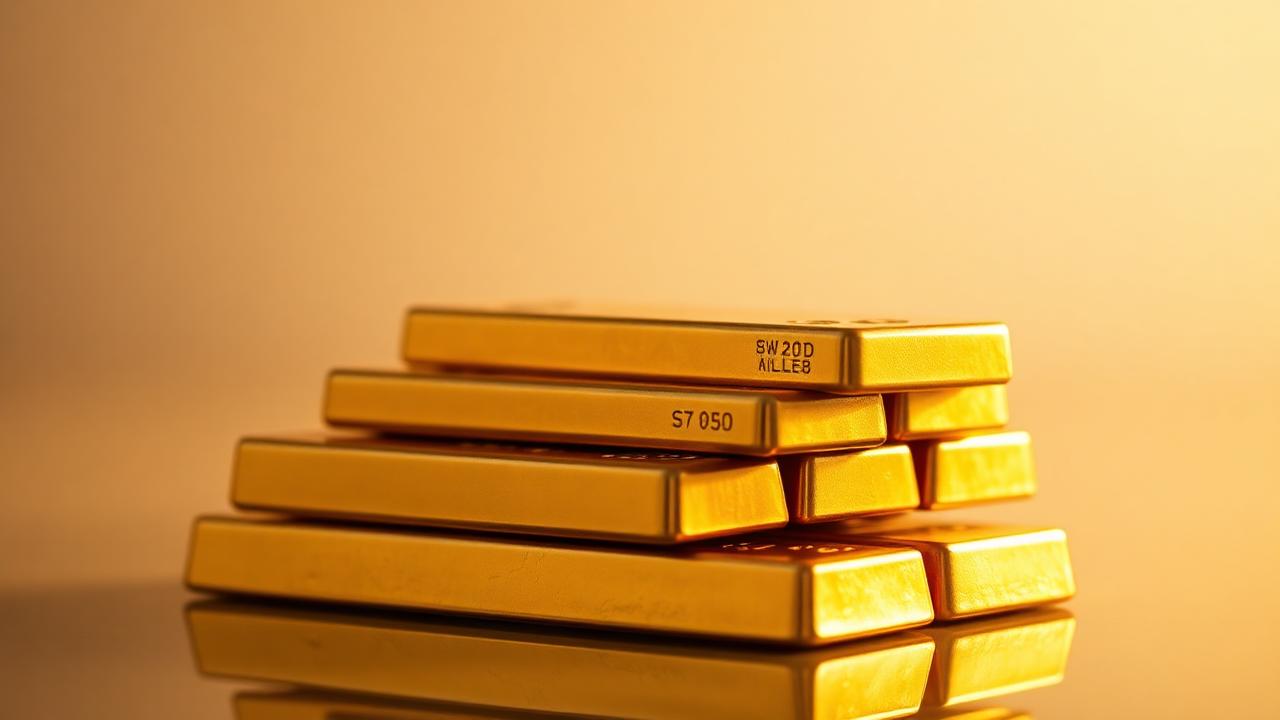
Physical bullion underpins precious-metals exposure for long-term investors. Image generated for editorial use.
What people commonly get wrong
Lumping PGMs in with gold. They answer to industrial demand and the economic cycle, not to safe-haven flows.
Analysing platinum or palladium alone. Substitution links them; you have to watch both.
Ignoring the EV headwind. Battery EVs need no autocatalyst — the central long-term risk, especially for palladium.
Underrating supply-concentration risk. When most output comes from one or two countries, geopolitics can swamp fundamentals.
This article is educational and is not investment advice. Platinum group metals are volatile, thinly traded, and exposed to concentrated supply risk. Verify current supply, demand, and price data against primary sources before drawing conclusions, and consider speaking with a regulated, independent financial adviser.
Sources for context: industry research on PGM supply, demand, and the energy transition, including 2026 sector outlooks reported in the financial press. Specific figures change frequently — confirm against current primary data such as the World Platinum Investment Council and producer filings.
Next in the series: Article 5 — How a Mine Actually Works: from a hopeful drill hole to a producing mine, and the difference between metal in the ground and metal you can sell.
Risk Warning: Trading and investing carries significant risk. Your investments can fall as well as rise. CFDs carry high risk of rapid loss due to leverage. Cryptocurrency is not ASIC-regulated and not covered by AFCA. This is information only, not financial advice. Seek independent advice before investing.
Written by
TradeRadarNews Team
Editorial Team
Our editorial team covers markets, fintech, and regulatory developments across Australia and globally.
Advertisement. Your capital is at risk when trading. Not financial advice.
Risk Warning: Trading and investing carries significant risk. Your investments can fall as well as rise. CFDs carry high risk of rapid loss due to leverage. Cryptocurrency is not ASIC-regulated and not covered by AFCA. This is information only, not financial advice. Seek independent advice before investing.