The Nuclear Resurgence: Why an Old Technology Is Back
Why nuclear power is back in 2026: AI electricity demand, energy security, and decarbonisation, plus SMRs, fusion, and the safety and waste debates.
Key Takeaways
1This article covers key developments in the crypto market
2Always verify claims with official FCA and regulatory sources
3Past performance does not guarantee future results
4Consider speaking to a qualified financial adviser before acting
5TradeRadarNews provides information only — not financial advice
Article 4 of 9 — Foundations of the Energy & Defense Sectors
A decade ago, nuclear power looked like a sunset industry — expensive, slow to build, and politically toxic after high-profile accidents. In 2026 the conversation has flipped. Governments, utilities, and even big technology companies are talking about building reactors again, driven by an unlikely trio of forces: the soaring electricity appetite of artificial intelligence, a new premium on energy security, and the need for clean power that runs around the clock. Understanding why nuclear came back — and the real debates that still surround it — rounds out the picture of how the world makes steady, low-carbon power.
This article explains how nuclear works, why it's resurgent, and what's genuinely contested. The basics need no background; Going Deeper covers the fuel cycle, the small-reactor and fusion stories, and where the hype outruns reality.
The basics: how nuclear works
A nuclear plant generates electricity in a surprisingly ordinary way at the end: it boils water to make steam that spins a turbine. What's extraordinary is the heat source. In fission, atoms of uranium are split apart, releasing large amounts of energy. A small amount of fuel yields an enormous amount of power — uranium is vastly more energy-dense than coal or gas.
Two features define nuclear's role. It's baseload — it runs steadily at very high capacity factors, often above 90%, making it one of the most reliable sources on any grid. And it's near-zero-carbon in operation, emitting essentially no greenhouse gases while running. That combination — steady and clean — is rare, and it's the heart of nuclear's appeal.
The basics: why the resurgence
Three forces, widely cited through 2026, explain the turnaround.
AI and electricity demand. Data centres powering artificial intelligence consume vast, constant amounts of electricity, and technology companies want it clean and reliable. Nuclear's always-on output fits that need better than intermittent renewables alone. As J.P. Morgan researchers framed it in 2026, the nuclear resurgence is driven by AI-fuelled electricity demand, energy-security concerns, and decarbonisation goals — three currents pulling in the same direction.
Energy security. After the supply shocks of recent years, a domestic power source that doesn't depend on imported fuel from volatile regions looks newly attractive — the security frame from Article 1, applied to electricity.
Decarbonisation. For governments chasing climate targets, nuclear offers large-scale clean power that doesn't depend on the weather, complementing renewables rather than competing with them.
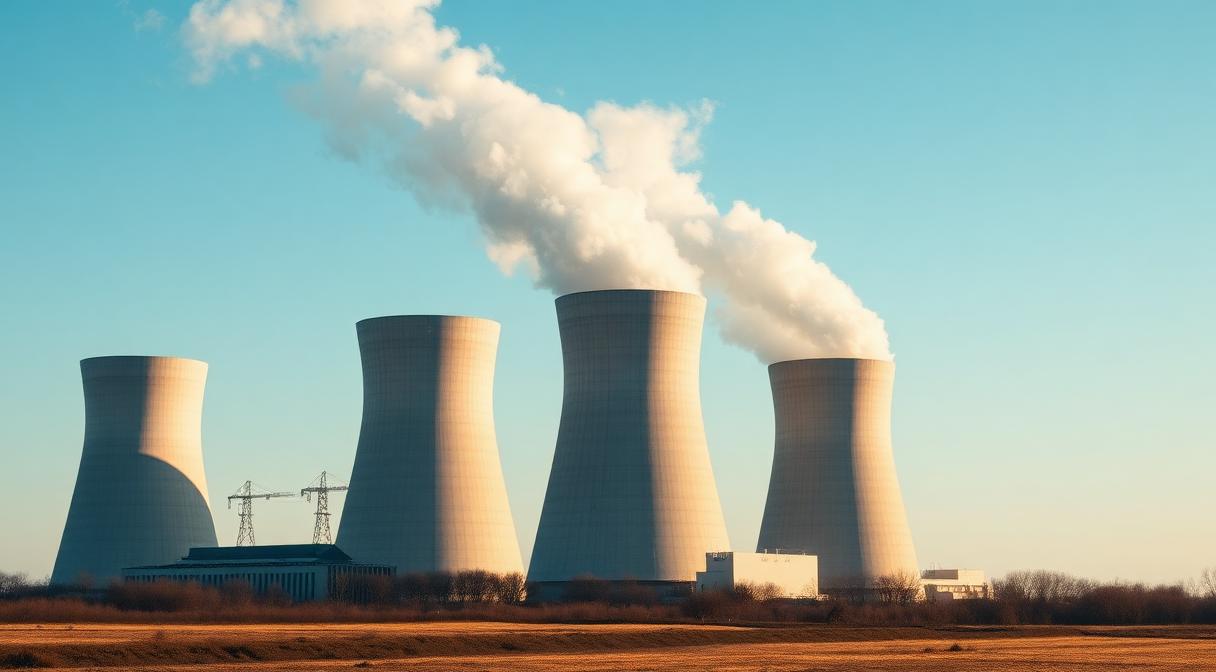
Nuclear is back on the table as the cleanest baseload option. Image generated for editorial use.
The basics: SMRs and fusion
Two newer ideas dominate the headlines, and it's important not to confuse them.
Small modular reactors (SMRs) are smaller nuclear reactors designed to be factory-built in standardized modules, then assembled on site — the hope being faster, cheaper, more predictable construction than today's giant one-off plants. They use the same fission principle; they're an engineering and economics bet, not a new kind of physics. Many designs are in development; relatively few are operating commercially.
Fusion is genuinely different physics — fusing light atoms together rather than splitting heavy ones, the process that powers the sun. Its promise is clean energy without the long-lived waste or meltdown risk of fission. Its reality in 2026 is that it remains a research-and-development effort, not a commercial power source, despite real scientific progress and heavy investment. Treat fusion as a long-term prospect, not a 2026 solution.
Going deeper: the fuel cycle and the real debates
For experienced readers, nuclear's nuances live in the fuel and in the genuine controversies.
The fuel cycle is a supply-chain story. Uranium must be mined, then enriched (concentrated into usable fuel), then fabricated into fuel assemblies, and spent fuel must eventually be managed. Enrichment capacity in particular is concentrated in relatively few countries — which ties nuclear back into the supply-chain-security theme running through this series. Energy security through nuclear is only as strong as access to fuel and enrichment.
The debates, presented fairly. Nuclear is one of the most polarised topics in energy, and an educational treatment owes readers both sides:
Safety. Critics point to historic accidents and their consequences. Proponents counter that modern designs have strong safety records and that, measured per unit of energy produced, nuclear's safety record compares favourably with many alternatives. Both the memory of accidents and the statistical record are real.
Waste. Spent fuel is radioactive for a very long time. Critics see an unsolved disposal problem; proponents note the volume is small, it's currently stored safely, and long-term repository solutions exist in principle even where political siting is hard. The disagreement is as much about trust and politics as engineering.
Cost and time. Large reactors have a track record of going over budget and behind schedule, a serious economic mark against them. The SMR pitch is precisely an attempt to fix this — but whether SMRs deliver on cost remains unproven at scale.
Proliferation. Nuclear technology and materials carry weapons-proliferation concerns, which is one reason the fuel cycle is so tightly governed internationally.
A balanced reader holds these tensions rather than resolving them by slogan. The case for nuclear and the case against both rest on real considerations.
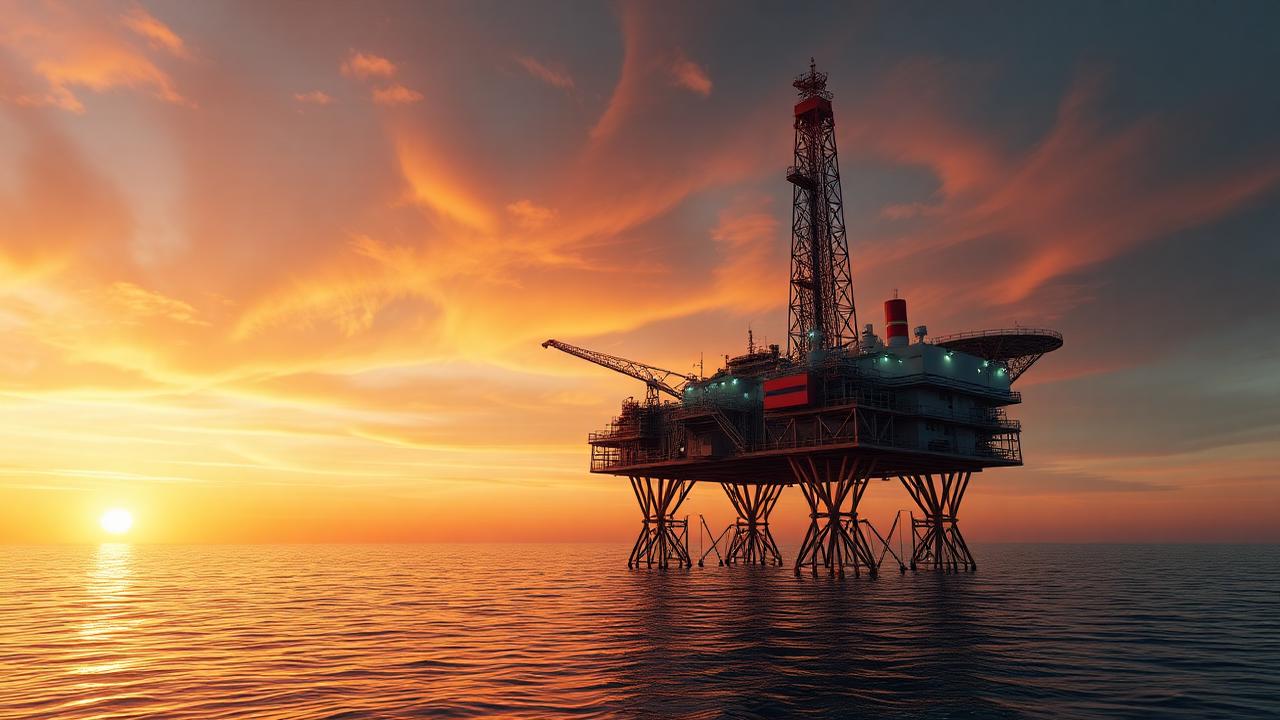
Offshore production remains central to global energy supply and listed energy equities. Image generated for editorial use.
The takeaway
Nuclear is back because it offers something rare — steady, near-zero-carbon, energy-dense power — at exactly the moment AI demand, energy security, and decarbonisation all call for it. Fission is the proven technology; SMRs are a promising but largely unproven bet to make it cheaper, and fusion remains a long-term research effort, not a present-day source. The genuine debates over safety, waste, cost, and proliferation are real and unresolved, and an honest view weighs them rather than dismissing either side.
What people commonly get wrong
Confusing fusion with fission. Fission powers today's plants; fusion is still in the lab.
Treating SMRs as here and proven. They're a real effort but mostly pre-commercial, and their cost advantage is unproven at scale.
Dismissing waste and cost concerns — or dismissing nuclear entirely. Both the criticisms and the rebuttals rest on real facts.
Ignoring the fuel cycle. Energy security via nuclear depends on access to uranium and enrichment, which are concentrated.
Reading high capacity factors as the whole story. Reliability is real, but build cost and time are the persistent economic challenge.
This article is educational and is not investment advice. Nuclear power is a contested subject; this series presents competing arguments fairly rather than resolving them. Verify figures against primary sources such as the IEA, IAEA, and national energy agencies, and consider speaking with a regulated, independent financial adviser.
Sources for context: J.P. Morgan 2026 energy outlook; International Energy Agency; U.S. EIA Annual Energy Outlook 2026; IAEA materials on the nuclear fuel cycle and safety. Figures reflect 2026 reporting and should be refreshed at publish time.
Next in the series: Article 5 — Renewables, the Grid & Storage: why generating clean power is the easy part, and delivering it reliably is the hard one.
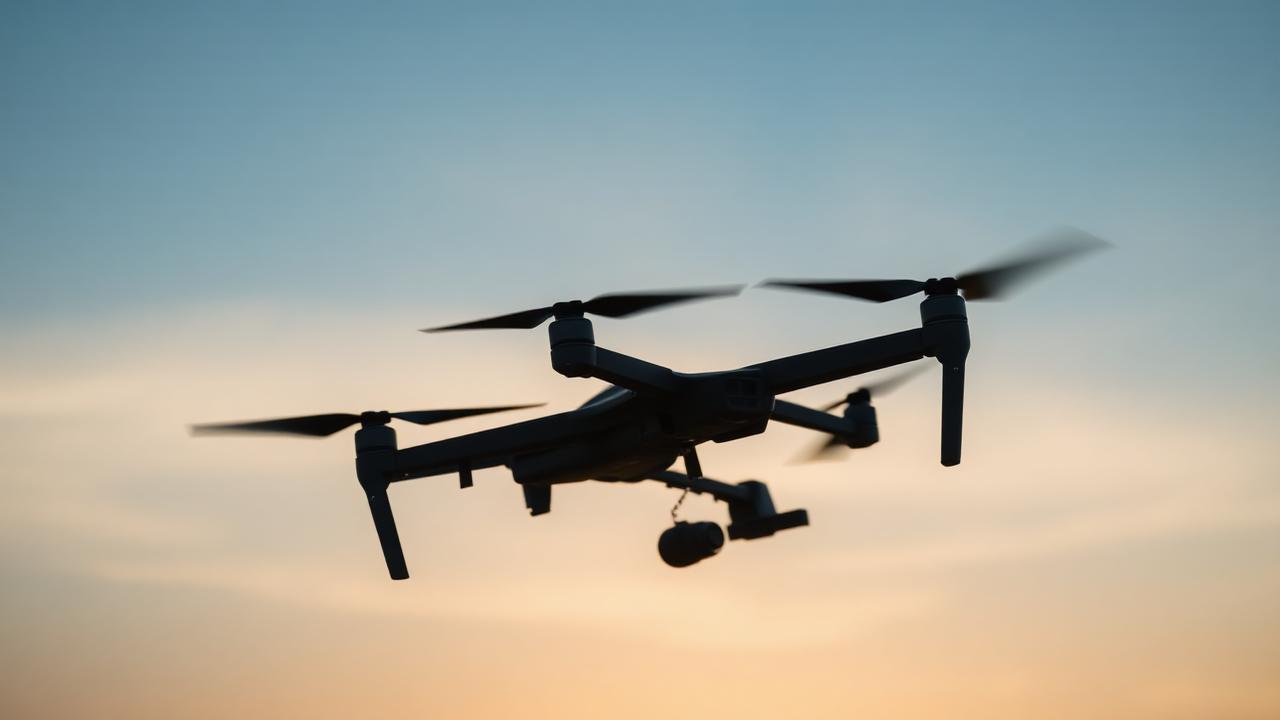
Defence and aerospace contractors are a core leg of the new industrial-policy trade. Image generated for editorial use.
Risk Warning: Trading and investing carries significant risk. Your investments can fall as well as rise. CFDs carry high risk of rapid loss due to leverage. Cryptocurrency is not FCA-regulated and not covered by FSCS. This is information only, not financial advice. Seek independent advice before investing.
Written by
TradeRadarNews Team
Editorial Team
Our editorial team covers markets, fintech, and regulatory developments across the UK and globally.
Advertisement. Your capital is at risk when trading. Not financial advice.
Risk Warning: Trading and investing carries significant risk. Your investments can fall as well as rise. CFDs carry high risk of rapid loss due to leverage. Cryptocurrency is not FCA-regulated and not covered by FSCS. This is information only, not financial advice. Seek independent advice before investing.